
Is Yellow Light Depressing? Exploring the Psychological Effects of Color Temperature

Introduction to Color Temperature
Color temperature is a crucial concept in the field of lighting design and psychology, as it refers to the appearance of light emitted by a source, measured in degrees Kelvin (K). This measurement helps categorize light into three primary types: warm, neutral, and cool. Warm light, typically ranging from 2700K to 3000K, exudes a cozy and inviting atmosphere, reminiscent of candlelight or sunrise. In contrast, neutral light falls within the range of 3500K to 4100K, providing balanced illumination that closely resembles natural daylight. Lastly, cool light, which exceeds 5000K, produces a bright and energetic environment, akin to the midday sun.
The influence of color temperature on our perception is profound, as different types of light can profoundly affect our emotions and behaviors. Warm light often promotes relaxation and comfort, making it an ideal choice for intimate settings such as bedrooms and dining areas. On the other hand, cool light tends to enhance focus and alertness, making it suitable for workspaces or academic settings. By understanding these distinctions, we can better appreciate how lighting choices impact not only aesthetics but also our mood and productivity.
Yellow light, which typically falls within the warm color temperature spectrum, is particularly noteworthy. Its warm hues can create feelings of comfort and happiness. However, the psychological effects of yellow light can vary depending on the intensity, context, and individual differences in perception. As we delve further into this topic, it becomes essential to consider how color temperature influences our surroundings and, ultimately, our mental well-being. Exploring the emotional implications of yellow light will shed light on its pervasive influence in everyday life.
The Psychology of Color
Color plays a pivotal role in shaping human emotions, perceptions, and behaviors. Research in color psychology has demonstrated that different colors evoke distinct emotional responses and can influence our interactions with the environment. These responses are informed by personal experiences, cultural backgrounds, and even biological predispositions. For instance, warm colors, which include shades like red, orange, and yellow, are often associated with feelings of warmth, excitement, and energy. These colors can create a stimulating atmosphere, making them popular in various settings such as restaurants and gyms. Conversely, cooler colors, such as blue and green, are linked to calmness and serenity, often utilized in spaces where relaxation is desired.
Particularly with yellow, a color that merges warmth and cheerfulness, studies have shown that it can invoke a sense of happiness and creativity. It is often associated with sunlight, brightness, and optimism. However, its intense brightness can also lead to feelings of unease or anxiety when overused or poorly applied in a space. This duality highlights the necessity of moderation in color application, particularly regarding design and lighting choices. In advertising and branding, yellow is employed strategically to capture attention and convey a sense of urgency or joy. Brands often use this color to invoke confidence or a welcoming atmosphere, illustrating its psychological impact on consumer behavior.
Furthermore, understanding the psychological implications of color in art can significantly enhance the viewer’s experience. Artists may use yellow to symbolize happiness or caution, thereby bridging the emotional gap between the work and the observer. The influence of yellow extends beyond emotional perception, as its integration into various domains emphasizes the significant link between color and human experience. Thus, exploring the psychology of color, including the implications of yellow light, becomes essential in design, branding, and artistic expression.
Yellow Light: Characteristics and Applications
Yellow light is characterized by its warmth and brightness, making it a unique color temperature that falls between warm and neutral lighting. This spectrum of light, typically ranging from 2700K to 3000K, is commonly associated with soothing and calming effects. The perceived warmth of yellow light can create an inviting atmosphere, often preferred in residential settings. It is frequently used in living rooms and bedrooms, where comfort and relaxation are paramount.
In the context of office environments, yellow light can serve a dual purpose. It can reduce strain on the eyes during prolonged exposure to artificial lighting while still providing adequate visibility for tasks. Additionally, yellow light fixtures are often incorporated in streetlights, enhancing safety for pedestrians by rendering colors and details more visible at night. The soft illumination characteristic of yellow light helps to minimize harsh contrasts, contributing to a more pleasant outdoor experience.
Cultural perceptions of yellow light vary widely across different societies. In some cultures, yellow is associated with happiness, optimism, and creativity, while in others, it may evoke caution or fear. For instance, in many Eastern cultures, yellow symbolizes wealth and prosperity, whereas in Western contexts, it is often linked to cheerfulness. These associations influence individual reactions to yellow light, shaping how it is utilized in spaces intended for social interaction, such as cafes and community centers.
Furthermore, yellow light is utilized extensively in marketing and branding, where it can stimulate feelings of warmth and comfort, nudging potential customers toward a positive emotional response. By understanding its characteristics and applications, one can leverage yellow light effectively to enhance environments and emotional well-being, simultaneously promoting comfort and activity across diverse settings.
Negative Effects of Yellow Light
Yellow light, often associated with warmth and comfort, can paradoxically have adverse effects on mood and mental health when exposure is prolonged. Research indicates that color temperature plays a significant role in how light influences psychological states. Yellow light, particularly in the warmer spectrum, has been linked to feelings of fatigue. This fatigue can stem from its ability to emit a softer glow, which may lead individuals to feel less energized and more lethargic over time.
Irritability is another potential consequence of extended exposure to yellow light. As individuals spend significant amounts of time in environments saturated with this hue, it can create a sense of discomfort. This discomfort may not be immediately identifiable, leading to increased frustration and irritability, particularly in high-pressure settings such as workplaces or study environments. The psychological impact of yellow light can exacerbate stress levels, further contributing to feelings of unease.
Moreover, some studies have drawn correlations between prolonged exposure to yellow light and the experience of depressive symptoms. For individuals predisposed to mood disorders, the warm ambiance created by yellow lighting may unintentionally contribute to an overall decline in mood. The psychological aspect of color perception suggests that the environment directly influences emotional well-being. Yellow, when it becomes overly dominant, can overshadow the more uplifting effects of cooler light spectrums that tend to promote alertness and positivity.
In light of these findings, it becomes essential to consider how we utilize yellow lighting in our environments. While the color may have its place in specific contexts, awareness of its potential negative psychological effects is crucial in promoting a balanced atmosphere conducive to mental well-being.
Positive Aspects of Yellow Light
Yellow light is often associated with warmth and comfort, creating an inviting atmosphere in various settings. This color temperature can evoke feelings of happiness and positivity, which are beneficial for emotional well-being. Many individuals find that exposure to yellow light helps to elevate their mood, making it a favorable choice for spaces designed for relaxation and social interaction. The inherent warmth of yellow tones can create an environment that fosters connection and comfort among individuals.
Furthermore, the energizing qualities of yellow light can stimulate creativity and productivity. Research has shown that warm light improves concentration and focus, making it a suitable choice for workspaces. Artists and writers, for instance, may find that yellow light enhances their creative processes by providing an inspirational and uplifting setting. The brightness of yellow light can also reduce feelings of lethargy and fatigue, enabling individuals to remain alert and engaged in their tasks.
Yellow light also plays a significant role in enhancing overall well-being. Studies indicate that environments illuminated with yellow tones can lead to increased levels of serotonin, a neurotransmitter associated with feelings of happiness. This can lead to reduced stress and anxiety levels, as the warm glow of yellow light envelops individuals in a comforting embrace. Additionally, this particular color temperature can make tasks seem more enjoyable, adding a sense of warmth and positivity to mundane routines.
In various cultural contexts, yellow is traditionally seen as a symbol of joy and positivity. Applying this association in settings such as homes, offices, and public spaces can foster an uplifting atmosphere, positively influencing individuals’ state of mind. By strategically incorporating yellow light into our environments, we can harness its potential to inspire creativity, enhance productivity, and promote a greater sense of well-being.
Comparative Analysis: Yellow Light vs. Other Colors
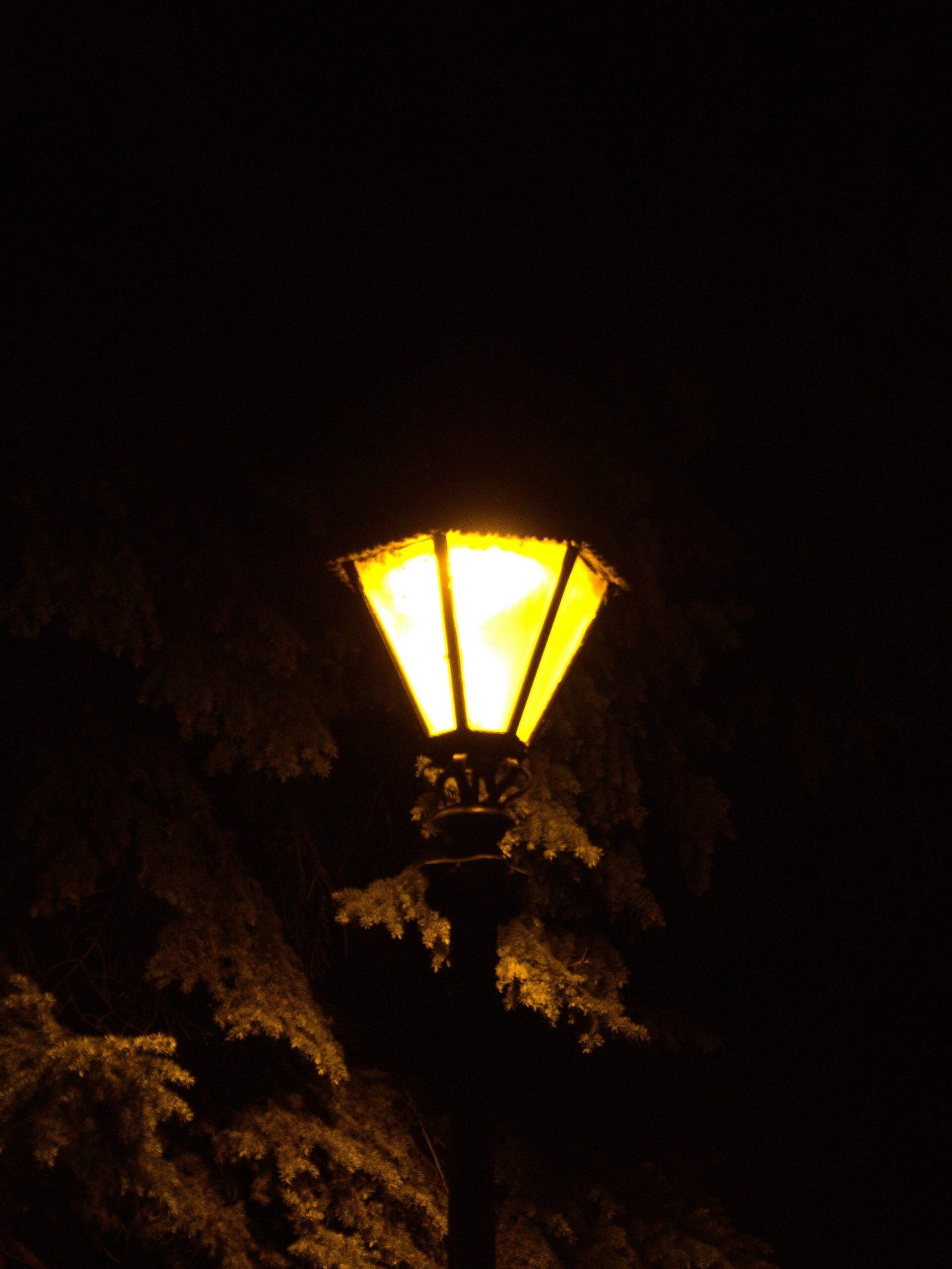
The influence of color temperature on mood and productivity has garnered significant attention in recent years, revealing notable distinctions between yellow light and other lighting hues, such as cool white and blue light. Yellow light, often characterized by its warm, inviting glow, tends to create a cozy atmosphere, which can foster feelings of comfort and relaxation. This specific color temperature is frequently utilized in residential settings, as it naturally enhances the allure of interiors and evokes a sense of warmth.
In contrast, cool white light, associated with higher color temperatures, provides a more energizing effect. This type of illumination has been shown to promote alertness and concentration, making it ideal for workplaces and study environments. Studies suggest that the brightness and intensity of cool white light can assist in heightening productivity levels, especially during tasks that require sustained focus. However, excessive exposure to this light can lead to feelings of stress and fatigue, prompting the need for a balanced approach to lighting in professional settings.
Blue light, another prominent color temperature, possesses unique attributes that distinguish it from both yellow and cool white light. While blue light has been linked to increased alertness and cognitive function, it is also notorious for potentially disrupting circadian rhythms when utilized in the evening. This characteristic can result in diminished sleep quality, ultimately affecting overall well-being and productivity. Consequently, individuals may find themselves more comfortable and productive under the warm embrace of yellow light when striving for relaxation and a serene ambiance.
Understanding the psychological effects of color temperature, including the distinctions between yellow light and its cool white and blue counterparts, can empower individuals and organizations to optimize their lighting environments according to desired activities and outcomes. The thoughtful integration of different lighting types can promote well-being and productivity across various settings.
Individual Differences in Response to Yellow Light
Responses to yellow light can significantly vary among individuals due to a multitude of factors, including age, personality traits, and cultural backgrounds. These variations underscore the importance of understanding that color perception is not a universally consistent experience; rather, it is profoundly subjective.
Age plays a critical role in how people perceive color, including yellow light. For instance, younger individuals may associate yellow with vibrancy and energy, thus viewing it as uplifting. Alternatively, older adults might find yellow light to be overly stimulating, especially when it leans towards the cooler spectrum of yellow hues. This divergence in perception can influence the appropriateness of yellow lighting in settings designed for relaxation, such as homes and wellness centers, versus those suited for productivity, such as offices.
Personality characteristics also contribute to how individuals experience yellow light. Research has suggested that extroverted people often respond positively to brighter, more stimulating environments, including those filled with yellow tones. Conversely, introverts may prefer softer, more muted colors for their soothing qualities. This personality-based response can affect preferences for workspace designs, influencing opinions on the use of warm yellow lighting in areas requiring concentration versus those meant for casual interactions.
Cultural background further shapes responses to yellow light. In some cultures, yellow symbolizes happiness and prosperity, thereby fostering a positive association with this color temperature. In contrast, other cultures may associate yellow with caution or warning signs, leading to a more negative perception. Understanding these cultural nuances is essential in environments where yellow light is utilized, helping to determine the best applications for various settings.
In light of these individual differences, it is clear that the effects of yellow light are complex and multifaceted, influenced by a spectrum of subjective factors. This complexity has significant implications for how yellow light is integrated into spaces designated for relaxation versus those meant for work.
Practical Tips for Using Yellow Light
When considering the incorporation of yellow light into various environments, it is crucial to understand how to balance this color temperature effectively. Yellow light can enhance a space’s ambiance, promoting feelings of warmth and comfort. However, its optimal use often hinges on maintaining harmony with other light colors. For instance, pairing yellow light with cooler colors, like white or blue, can create a well-rounded atmosphere that neither overwhelms nor underwhelms the viewer. This balance allows for enhanced psychological well-being without succumbing to a monochromatic scheme.
Another essential aspect of implementing yellow light is adjusting the light intensity. Dimmer switches can be employed to customize the brightness based on activity or time of day. Soft, muted yellow light is more suitable for relaxation and social settings, while a higher intensity can boost alertness in work environments. Utilizing warm light during the evening hours can create a tranquil space conducive to winding down. Research has indicated that variations in light intensity can significantly impact mood, making this an essential consideration for both home and office settings.
In home environments, yellow light can be integrated through various sources such as bulbs, lamps, or even candles. Using adjustable fixtures can enhance versatility, enabling one to modify the light’s warmth throughout the day. Additionally, incorporating other colors in decorative elements can complement the yellow lighting, enhancing the overall aesthetic appeal of the room. In office spaces, strategically placing yellow lighting fixtures can foster creativity and focus while avoiding the sterile feel of more clinical lighting options.
In summary, effectively using yellow light involves balancing its warmth with other colors, regulating its intensity, and thoughtfully integrating it into different settings. These considerations can help create an inviting atmosphere conducive to positive psychological effects.
Conclusion: Balancing the Effects of Yellow Light
Throughout this exploration of the psychological effects of color temperature, particularly focusing on yellow light, several crucial points have emerged. The relationship between color temperature and emotional well-being is complex and multifaceted. While yellow light is often perceived as warm and inviting, its psychological impacts can vary significantly based on context and individual perception. Research indicates that while warmer light can foster a sense of comfort and relaxation, it can also evoke feelings of melancholy and detachment in certain environments.
Understanding these effects is vital as we seek to create settings conducive to mental and emotional health. For instance, integrating yellow light in cozy home spaces may promote relaxation and social interaction, whereas in workplaces, it might contribute to decreased productivity if overused. Balancing the color temperature in various settings can mitigate potential negative outcomes and enhance the positive attributes associated with yellow light.
Furthermore, color perception is subjective; it can be influenced by a myriad of factors, including cultural background, personal experiences, and even the physical environment. Therefore, it is essential to consider individual responses when designing spaces that incorporate yellow light. By aiming for a harmonious integration of lighting types, one can maximize benefits while minimizing potential emotional detriments.
In conclusion, achieving a balance when utilizing yellow light is integral to fostering a positive atmosphere. By being mindful of its psychological effects and adapting our lighting choices accordingly, we can create environments that not only look appealing but also support our emotional well-being. This careful consideration can lead to healthier living and workspaces, ultimately enhancing quality of life.