
Introduction to Light Colors and Relaxation
Light colors play a significant role in shaping our emotions, creating an atmosphere conducive to relaxation and mental clarity. The spectrum of light, which encompasses various wavelengths, directly influences our psychological state and physical sensations. Research in color psychology reveals that different shades can evoke distinct emotional responses. As such, understanding the impact of light colors is vital for promoting calmness and reducing anxiety in both personal and professional spaces.
Warm hues, like soft yellows and gentle oranges, are often associated with warmth and comfort, making them ideal for relaxation environments. These colors can foster a sense of serenity, reducing tension and inviting a tranquil mindset. Conversely, cooler tones, such as blues and greens, evoke a sense of calmness and are frequently used in spaces designed for rest and recuperation. The soothing attributes of these colors can help lower heart rates and promote relaxation, which is essential for overall well-being.
The interaction between light and human emotion goes beyond mere visual appeal. It encompasses a broad spectrum of psychological and physiological responses. For example, exposure to warmer light can stimulate feelings of happiness, while exposure to cooler light has been linked with improved focus and clearer thinking. Therefore, selecting the right light color becomes crucial in crafting an environment that promotes relaxation and emotional stability.
As we navigate further into the nuances of color and their effects, it is essential to acknowledge that individual preferences also play a critical role in how light colors are perceived. What may be relaxing for one person could be overstimulating for another. Consequently, personalizing light color choices based on individual sensitivities and tastes is key to achieving a calming atmosphere conducive to relaxation.
The Science of Light and Color Spectra
Light manifests as electromagnetic radiation that can be perceived by the human eye, forming what is known as the visible light spectrum. This spectrum ranges from approximately 380 nanometers (nm) to about 750 nm in wavelength, with each distinct wavelength corresponding to a different color. The colors of the spectrum are typically categorized as red, orange, yellow, green, blue, indigo, and violet, each with unique properties that influence our psychological and emotional responses.
At the longer wavelengths, red and orange hues are often associated with warmth and stimulation, potentially eliciting feelings of energy and excitement. In contrast, colors such as blue and green, which occupy shorter wavelengths, tend to evoke feelings of calmness and relaxation. Studies suggest that the brain exhibits varying responses to these colors, which can ultimately impact mood and productivity. For instance, blue light has been found to promote alertness and concentration, whereas softer colors like pastel greens and blues can help reduce anxiety and stress levels.
The interplay between color and human perception is a topic of considerable interest in fields like psychology and environmental design. Light colors can influence our emotional states and perceptions, impacting everything from workplace efficiency to leisure spaces. Furthermore, artificial lighting can alter our experience of colored environments. For instance, the use of warm light can enhance feelings of coziness and security, while cool light can create a more sterile, clinical atmosphere. Understanding the science of light and color spectra enables individuals to harness these effects consciously, allowing for the creation of spaces that promote tranquility and well-being.
Understanding Relaxation: Psychological Effects of Colors
Colors have an undeniable influence on human emotions, and this phenomenon has been extensively studied within the fields of psychology and design. The psychological effects of colors can vary significantly depending on cultural context, personal preferences, and individual experiences. However, certain hues are commonly associated with inducing feelings of calmness and relaxation, making them ideal choices for creating soothing environments.
Research indicates that colors such as blue and green are particularly effective in promoting tranquility. Blue is often linked with the sky and the sea, evoking feelings of serenity and peace. A study published in the journal “Environment and Behavior” found that individuals exposed to blue light reported lower levels of anxiety and a heightened sense of relaxation compared to those in red light environments. Similarly, greens, reminiscent of nature, have been shown to reduce fatigue and promote a sense of balance, making them a popular choice in spaces designed for relaxation.
The emotional responses associated with colors can also be explained through psychological theories. One such theory is color psychology, which posits that different colors elicit distinct emotional responses based on their wavelength and cultural interpretations. For instance, softer shades of yellow, such as pastel or muted tones, can create a warm and inviting atmosphere, fostering an overall sense of comfort and ease. This versatility makes color an essential tool for achieving calmness and relaxation in various settings, from home interiors to workspaces.
In addition to the individual characteristics of colors, the context in which they appear plays a crucial role in their psychological impact. Harmonizing shades and mindful pairings can enhance a space’s overall ambiance, making it more conducive to relaxation. By understanding and utilizing the psychological effects of color, individuals can effectively create environments that encourage calmness and well-being.
The Best Colors for Relaxation: Top Choices Revealed
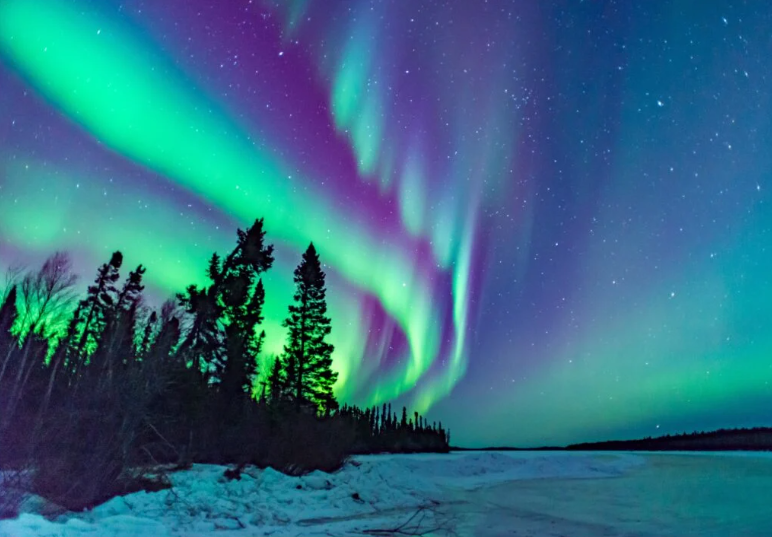
Creating a peaceful environment is essential for promoting relaxation and calming the mind. Certain colors have been scientifically studied and found to evoke feelings of serenity and comfort. Among these, blue is often regarded as the most soothing. This color is reminiscent of clear skies and tranquil waters, which can contribute to a sense of peace. Light blue shades are particularly effective, as they can create an open and airy atmosphere, making them suitable for bedrooms or meditation spaces.
Another color frequently associated with relaxation is green. This shade symbolizes nature, renewal, and harmony. Soft greens, such as mint or sage, are especially beneficial for creating a calming ambiance. They help to reduce stress levels and promote a sense of balance, making them perfect for spaces where one wishes to unwind, whether it be a living room or a cozy reading nook.
Pale shades of lavender and lilac also play a vital role in relaxation. These hues not only convey a gentleness but also have been linked to a tranquil state of mind. Lavender, in particular, is known for its stress-relief qualities and can be effectively utilized in bedrooms to promote restful sleep. The soft tint creates a serene backdrop that encourages reflection and restfulness.
In addition to blue, green, and lavender, neutral colors such as soft beige or warm gray can enhance a relaxing atmosphere. These shades provide a subtle background that does not compete with vibrant colors, allowing for a tranquil environment where one can feel at ease. Together, these colors contribute to creating a sanctuary aimed at relaxation and mindfulness. Incorporating these hues thoughtfully into décor can significantly enhance the overall atmosphere, promoting calmness and well-being.
The Role of Lighting in Creating a Relaxing Environment
Lighting plays a crucial role in shaping our environment and significantly affects our psychological and emotional states. When aiming to create a relaxing space, understanding how different qualities of light interact with various colors can enhance the atmosphere and foster calmness. To achieve an optimal relaxing environment, three primary factors should be considered: light intensity, direction, and temperature.
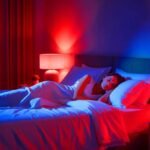
Light intensity refers to the brightness of the illumination in a space. Dim lighting is often associated with relaxation, as it can create a cozy, inviting atmosphere. Conversely, overly bright spaces can stimulate the senses and increase feelings of anxiety or restlessness. Thus, utilizing soft, warm light sources in combination with careful color choices can lead to an uplifting environment that promotes tranquility.
The direction of light is equally important in establishing a relaxing ambiance. Natural light, which typically comes from large windows or is diffused through light-colored fabrics, can create soft shadows that add depth and warmth to a room. In contrast, artificial light sources that are harsh or directly aimed can cause discomfort and disrupt the sense of calmness. Therefore, strategically placing light fixtures to allow for diffused and indirect lighting can help in diminishing stress levels.
Finally, light temperature, measured in Kelvins, determines whether a light is perceived as warm or cool. Warm light, typically ranging from 2700 to 3000K, is often synonymous with relaxation and comfort, while cool light, exceeding 4000K, can induce alertness and concentration. By incorporating warm light throughout the space, particularly during evening hours, one can promote an atmosphere conducive to relaxation and comfort.
In essence, the interplay of light intensity, direction, and temperature is vital in creating a calming environment. By understanding and leveraging these elements, individuals can transform their living spaces into serene havens that foster relaxation and wellness.
Practical Applications: How to Use Relaxing Colors at Home
Implementing relaxing colors within your home decor can significantly enhance your living environment, fostering tranquility and reducing stress. One of the first steps in this process is selecting the appropriate paint colors for your walls. Soft hues such as light blues, gentle greens, and subtle pastels are well-known for their calming effects. When choosing a color for a particular room, consider the purpose of that space. For instance, bedrooms benefit from soothing tones that promote restfulness, whereas living rooms might benefit from colors that create a welcoming atmosphere without overwhelming the senses.
Another essential aspect of creating a serene ambiance is the choice of lighting. The type of light bulbs you use can greatly influence the perception of color and therefore impact your home’s overall tranquility. Opt for warm white or soft white LED bulbs, as they tend to cast a gentle glow that enhances the relaxing colors of your decor. Additionally, dimmable lighting options can allow for flexibility, enabling you to adjust brightness according to the time of day and activity. Incorporating natural light is also beneficial; sheer curtains can be used to filter sunlight gently into the room, enriching both color and mood.
Fabrics in calming colors also play a crucial role in establishing a peaceful home atmosphere. Consider using throw pillows, blankets, or rugs in soft shades to introduce a sense of calm without overwhelming the space. These elements can easily be mixed and matched, allowing for creativity while maintaining a cohesive palette. Furthermore, adding indoor plants can enhance the relaxing color scheme with their natural greens, promoting a sense of well-being. By thoughtfully choosing paint colors, lighting, and fabrics, you can create a relaxing haven in your home that encourages relaxation and rejuvenation.
Relaxation Techniques That Complement Color Choices
In our fast-paced world, effective relaxation techniques are essential for maintaining mental and emotional well-being. Various practices such as meditation, yoga, and spending time in nature have long been recognized for their ability to alleviate stress and promote a sense of calm. When these techniques are paired with specific light colors, they can yield enhanced relaxation effects.
Meditation, for example, is a powerful practice that focuses on clearing the mind and achieving deep states of relaxation. The atmosphere in which one meditates significantly contributes to the experience. Incorporating soft light colors, such as pale blue or gentle lavender, can help create a peaceful environment conducive to relaxation. These colors have a calming effect on the mind and can encourage deeper focus and tranquility, making the meditation experience more profound.
Similarly, yoga is a practice that emphasizes both physical movement and mental clarity. The choice of color in the yoga space plays a vital role in setting the tone for the session. Using warm colors like soft yellows or earthy greens can foster a grounded feeling, enhancing the connection to nature while performing yoga poses. As practitioners flow through their routines, these colors can augment feelings of serenity and rejuvenation, facilitating a more fulfilling practice.
Additionally, simply enjoying nature, whether through walks in the park or observing a sunset, can offer substantial relaxation benefits. Surrounding oneself with natural light colors, such as the soft hues of sunrise or the calming greens of foliage, can heighten the sense of connection to the environment and promote a state of well-being. These experiences serve as a perfect complement to structured relaxation techniques, resulting in a comprehensive approach to achieving calmness.
Case Studies: Real-Life Examples of Color’s Impact on Relaxation
In various environments where relaxation holds utmost importance, the selection of light colors plays a crucial role in enhancing the overall experience. One notable example can be found in the interior design of spas. Many spa facilities have opted for soft hues, such as pastel blues and greens, which are known to evoke a sense of tranquility. A case study from a well-known wellness center examined the atmosphere created by a palette of calming colors. Client feedback indicated that guests consistently reported feeling more serene upon entering the treatment rooms painted in gentle shades, notably azure and mint. These colors were found to not only reduce anxiety but also foster a sense of peace, enhancing the effectiveness of therapeutic treatments.
Similarly, another case study focused on a meditation retreat where the color schemes incorporated soft white, light beige, and pale lavender. Participants in this study noted dramatic shifts in their relaxation levels as they engaged with such serene surroundings. Survey responses highlighted that the environment contributed to their meditation practices, allowing for deeper levels of calm and focus. The light colors were intentionally chosen to promote a soothing atmosphere, encouraging guests to immerse themselves in their tranquil experiences fully.
Moreover, feedback from clients at wellness centers has often pointed to the importance of color lighting in spaces designed for relaxation. For example, a studio offering yoga and mindfulness classes utilized dimmable lighting that transitioned through a spectrum of pastel colors. This dynamic use of light colors helped cultivate an inviting ambiance, where students conveyed heightened feelings of serenity during and after their sessions. These case studies collectively emphasize that the integration of calming light colors is not merely a design choice but a fundamental aspect of creating restorative environments. By carefully considering color psychology, establishments can significantly enhance their clients’ relaxation experiences.
Conclusion
In exploring the realm of light colors and their effects on relaxation, it is essential to recognize that each individual’s response to color is deeply personal. While some may find tranquility in soothing blues and greens, others may be drawn to the warmth of soft yellows and ambers. The journey toward finding your personalized relaxation color is one of experimentation and self-discovery.
To embark on this journey, consider setting up different lighting scenarios in your living space. You could try using colored LED lights or simply layering lamps with colored bulbs to adjust the ambiance. Pay attention to how each light color influences your mood and overall sense of calmness. Perhaps integrating combinations of colors can enhance your relaxation experience even further. For instance, merging cool and warm tones may provide a balanced environment that invites comfort and serenity.
It is also beneficial to create associations between specific colors and activities known to induce relaxed states, such as meditation, reading, or unwinding after a long day. By doing so, you may cultivate a strong connection between those activities and your chosen colors, reinforcing a conducive environment for relaxation over time.
Ultimately, the key takeaway is that relaxation is a subjective experience. What works for one person may not resonate with another. Therefore, allow yourself the freedom to explore various light colors until you identify those that genuinely bring you peace and calmness. As you experiment, remember that the goal is to create a sanctuary that reflects your unique preferences and fulfills your individual need for relaxation.