Choosing the best mountain bike for your 10-year-old boy requires a thorough understanding of his unique needs and preferences. At this age, each child may have different levels of riding experience, which is crucial in determining the appropriate bike type. If he has experience riding on smooth trails, a lightweight cross-country bike might be suitable. Conversely, if he’s just starting or enjoys rugged terrains, a more robust trail bike with enhanced durability would be beneficial.
Physical ability also plays a significant role in selecting the right mountain bike. Assessing your child’s height, weight, and overall fitness level can help determine the appropriate frame size and weight of the bike. It is essential to ensure that he can comfortably handle the bike, as this will influence his confidence and enjoyment while riding. A bike that is too heavy or large might discourage him from riding, while one that fits properly will enhance his riding experience.
Additionally, understanding your child’s style of riding is paramount. Some children might lean towards trail riding, which involves navigating through off-road paths, while others may enjoy the speed and efficiency of cross-country biking. Discussing these preferences with your child can not only help narrow down the options but also engage him in the selection process, making him feel excited and valued in this decision.
Involving your child in the decision-making process is vital. Take him to a local bike shop to test ride a few models. Look for a bike that resonates with his interests, as well as one that feels comfortable and safe to ride. Ensuring that he has a say in this important choice will not only enhance the bond between you but also foster a sense of ownership and responsibility towards his new mountain bike.
Sizing the Mountain Bike Correctly
Choosing the appropriate mountain bike for a 10-year-old boy begins with understanding the significance of proper sizing. The right bike frame size contributes to the child’s comfort, control, and overall safety while riding. To determine the suitable frame size, it is essential to measure the child’s inseam and height accurately.
To measure the inseam, have the child stand barefoot with their back against a wall. Place a book between their legs, as high as it comfortably fits, simulating a bike seat. Measure the distance from the floor to the top of the book’s spine. This measurement indicates the appropriate standover height for the bike frame. As a general rule, an inseam measurement of 24 inches corresponds to frame sizes ranging from 12 to 14 inches, ideal for shorter riders, while a 28-inch inseam suggests a 14 to 16-inch frame size.
Height is another critical factor affecting bike sizing. A child’s height can help narrow down frame options and ensure the bike is proportionate to their physical dimensions. Measure the child’s height by having them stand straight against a wall, ensuring their heels, back, and head touch the wall. The height measurement can then be matched to manufacturer sizing charts, which typically categorize bike sizes into small, medium, and large frames. Many mountain bike brands provide specific recommendations for sizes based on inseam and height measurements, making this resource invaluable.
Different types of mountain bike frames cater to varying heights and leg lengths. For instance, children who are on the taller side may benefit from a slacker geometry that supports aggressive riding. Furthermore, adjustable seat posts can provide flexibility, accommodating future growth. In conclusion, paying meticulous attention to the inseam and height will not only enhance the riding experience but also significantly improve the youngster’s development and skills on the bike.
Types of Mountain Bikes Suitable for Kids
When selecting a mountain bike for a 10-year-old boy, it is important to consider the variety of options available in the market. The most common types of mountain bikes suitable for children include hardtail bikes, full-suspension bikes, and fat bikes. Each type has distinct characteristics that cater to different riding styles and environments.
Hardtail mountain bikes are equipped with a front suspension but lack rear suspension. These bikes are generally lighter and simpler in design, which allows young riders to easily navigate trails and maintain control. The rigid rear end enhances power transfer when pedaling, making hardtails an ideal choice for cross-country riding. However, harder terrains with harsh bumps may be less forgiving compared to full-suspension bikes.
Full-suspension bikes, on the other hand, feature both front and rear suspension systems. This design provides better shock absorption, making them suitable for rough trails and technical terrains. Young riders who are likely to tackle more challenging paths may benefit from the enhanced comfort and stability that full-suspension bikes offer. The drawback, however, is that these bikes tend to be heavier and more complex, which may not be the best fit for all 10-year-olds, particularly beginners.
Fat bikes are another interesting option, especially for riding on soft terrains such as sand or snow. These bikes have wide tires that offer increased traction and stability. While fat bikes can be a fun choice for adventurous young riders, they may not be as versatile as hardtail or full-suspension options for varied terrains.
Ultimately, the choice of mountain bike depends on the child’s riding style, the terrain they will encounter, and their level of experience. Assessing these factors can help ensure that your young adventurer finds the most suitable bike for their cycling ambitions.
Essential Features to Look For
When selecting a mountain bike for a 10-year-old boy, it is crucial to assess various features that affect the bike’s performance and usability. One key aspect to consider is the frame material. Mountain bikes typically come with either aluminum or steel frames. Aluminum frames are often favored for children’s bikes due to their lightweight nature, which allows young riders to maneuver more easily. This is particularly beneficial for inexperienced cyclists who are still developing their skills. On the other hand, while steel frames are heavier, they are known for their durability, making them suitable for rough terrains.
Another important feature is wheel size, which directly influences ride quality and stability. For a 10-year-old, a wheel size of 24 inches is generally recommended, as it provides a balance between control and comfort. Larger wheels, such as 26 inches, could be more challenging for younger riders to handle effectively. Therefore, matching the wheel size to the child’s height and riding abilities is essential.
The number of gears can also impact a mountain bike’s usability. A bike with multiple gears allows young riders to tackle various terrains easily. However, a single-speed bike may be sufficient for beginners riding in flatter areas. Consistent exposure to different terrains will determine whether a more complex gearing system is necessary.
Braking systems are another critical consideration. Hand brakes are more common in mountain bikes for older kids but may be less suitable for younger riders still developing their hand strength. In such cases, coaster brakes can provide an easier stopping mechanism. Additionally, quality components, including tires and suspension systems, should not be overlooked as they contribute significantly to the bike’s overall performance and safety.
In summary, selecting the right mountain bike for a 10-year-old involves careful consideration of frame material, wheel size, gear options, and brake systems. Prioritizing lightweight designs and durable features will enhance the riding experience, instilling confidence and enjoyment in young riders. Careful evaluation of these elements will ensure that both performance and usability are optimized for developing cyclists.
Setting a Budget
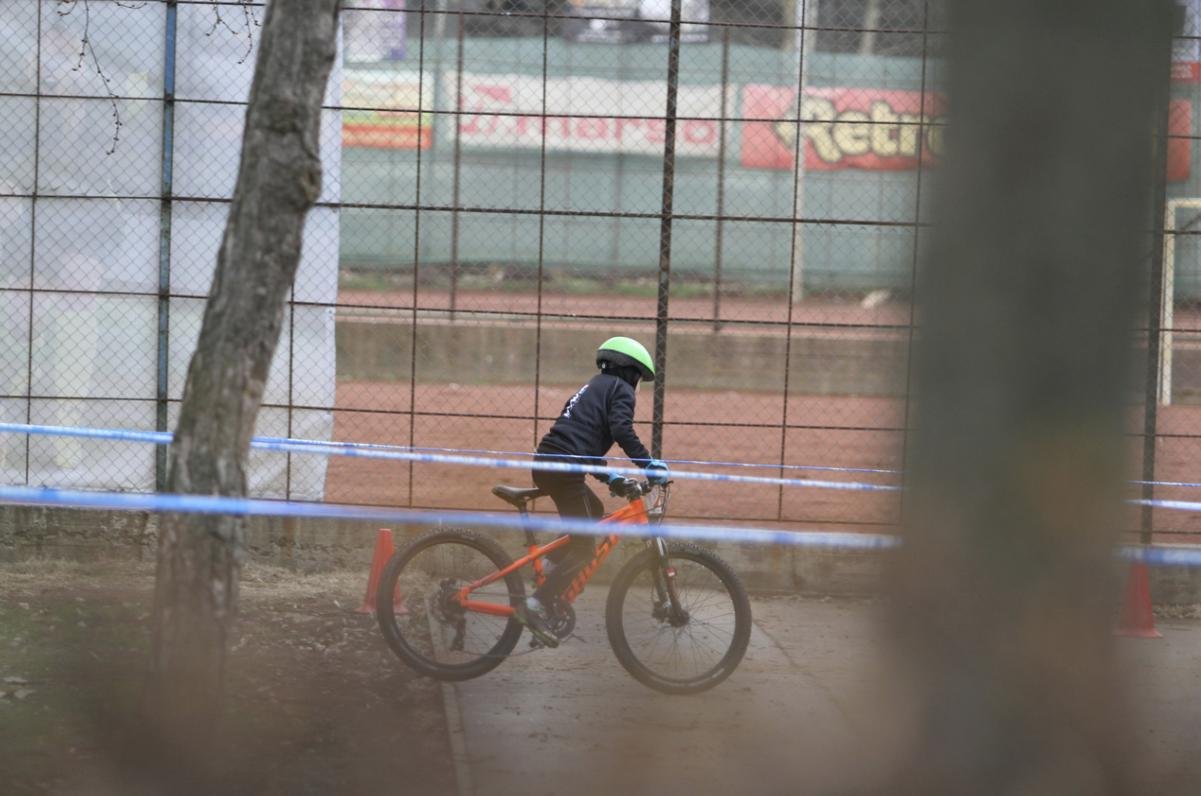
When considering the purchase of a mountain bike for your 10-year-old boy, establishing a budget is a crucial step. Setting a budget not only helps in narrowing down options but also aids parents in making a sound investment decision. Quality mountain bikes can vary significantly in price based on attributes such as materials, brand reputation, and features. Generally, for children’s mountain bikes, parents can expect to spend between $300 to $1,000. Bikes in the lower range, approximately $300 to $500, typically offer decent quality and functionality suitable for casual riding and light trails. These bikes generally consist of entry-level components, which may be adequate for beginners or occasional riders.
As you ascend into the mid-range, priced between $500 and $800, parents can anticipate enhanced durability and performance. Bikes in this category often feature better materials, improved suspension systems, and more reliable braking mechanisms, which contribute to a safer and more enjoyable riding experience. For enthusiastic young riders who may use their mountain bike more frequently or participate in organized biking events, investing in a bike in this price range is prudent.
For those considering high-end options, prices can ascend beyond $800, with premium bikes often featuring lightweight frames, advanced gearing systems, and superior suspension technology. While these bikes represent a notable investment, they can serve well for serious riders or competitive scenarios.
Parents may also explore alternatives, such as purchasing used bikes, which can deliver significant savings while still providing quality. Checking local classifieds, visiting specialized bike shops, or attending local cycling events may yield affordable options. Seasonal sales events often present further opportunities to acquire a quality mountain bike at a reduced price. Ultimately, a well-considered budget can balance both quality and affordability, ensuring a rewarding purchase.
Safety Considerations
When selecting the best mountain bike for a 10-year-old boy, safety must be a paramount concern. As young riders are often less experienced and may not fully anticipate the mechanics of riding on various terrains, equipping them with the right safety features can significantly enhance their riding experience. One of the most essential safety measures is the use of a properly fitted helmet. A helmet designed for mountain biking not only protects the head from impact but should also fit snugly and be worn correctly at all times during rides.
In addition to helmets, protective padding is crucial. Look for padded gloves, knee pads, and elbow pads designed to absorb shock and protect vital joints during falls or collisions. These additional forms of protection can reduce injury risks and help instill confidence in young riders, allowing them to explore off-road challenges safely.
A critical aspect often overlooked is the bike’s braking system. Choosing a mountain bike equipped with reliable brakes is essential. Disk brakes, for instance, offer better stopping power than traditional rim brakes, especially in wet or muddy conditions. The ability for young riders to stop quickly can be vital for their safety on challenging terrain.
Furthermore, the bike’s tire tread pattern plays a significant role in stability and traction. A mountain bike designed with knobby tires provides better grip on uneven surfaces, preventing slips and enhancing control. Finally, handlebars should be at an appropriate height for the child’s size to ensure they can maintain a safe position while riding. Adjustable handlebars can provide an extra layer of comfort, allowing the bike to grow with the child. Prioritizing these safety features will lead to a more secure mountain biking experience for your young rider.
Test Riding the Bike
Testing a mountain bike before making a purchase is a critical step, particularly when choosing one for a 10-year-old boy. The process not only helps in assessing the bike’s suitability but also ensures the child’s comfort and confidence while riding. Start by visiting a local bike shop that offers a variety of brands and sizes. Many shops have designated areas for test riding, providing a safe environment for children to experience the bike’s capabilities.
When your child gets on the bike, observe the fit. He should be able to stand over the crossbar comfortably while having a slight bend in the knees when seated. It’s essential to check the reach to the handlebars. The child’s arms should extend naturally without being overly stretched or crammed. This positioning is crucial for maintaining proper control and handling while riding. A bike that fits well will allow for easier maneuvering, which is particularly important for a young rider navigating through various terrains.
Encourage your child to ride the bike in different situations—on flat surfaces, slight inclines, or even gentle slopes. Pay attention to their ability to handle the bike in these conditions, noting any hesitancy or discomfort they may express. Additionally, allow them to share their preferences regarding the bike’s weight, balance, and aesthetics. Their feedback can provide invaluable insight, as a bike that they enjoy and feel comfortable on will likely lead to more ride time and greater enjoyment.
Ultimately, the test ride isn’t solely about the fit and comfort of the bike, but rather ensuring that the overall experience resonates positively with the young rider. Listening to your child’s opinions and making collaborative decisions will help in selecting the best mountain bike that aligns with their skill level and interests.
Maintenance and Care Tips
Once you have purchased a mountain bike for your 10-year-old boy, it is essential to establish a routine of maintenance and care to ensure the bike remains in optimal condition. Teaching your child basic maintenance tasks not only enhances their understanding of the bike but also instills a sense of responsibility for their equipment.
One of the primary maintenance tasks is keeping the bike clean. After each ride, encourage your child to wipe down the frame, wheels, and gears to remove dirt and mud. This simple cleaning process can prevent dirt build-up that could lead to rust or mechanical issues. Regular washes using mild soap and water followed by thoroughly drying the bike are also recommended, especially after rides in wet conditions.
Checking tire pressure is another vital maintenance step. Parents can assist their child in inspecting the tires before each ride. Proper tire inflation affects not only the bike’s performance but also the rider’s safety. It is advisable to refer to the manufacturer’s recommended psi (pounds per square inch) for optimal inflation levels.
Ensuring the brakes function correctly is crucial for any mountain biker. Teach your child to squeeze both the front and rear brake levers before every ride to check responsiveness. If the brakes feel spongy or are slow to engage, they may need adjustment or servicing. As a parent, you can assist with routine brake checks and offer guidance on how to monitor brake pads for wear.
Additionally, conducting routine cycle checks every few weeks can prevent potential issues. Parents can collaborate with their child to check the chain for lubrication and the gears for smooth shifting. This preventative maintenance not only reduces the likelihood of larger repairs but also creates a bonding experience between parent and child, fostering an interest in biking as a sport and hobby.
Conclusion: Picking the Right Mountain Bike Together
Choosing the best mountain bike for your 10-year-old boy can be an exciting yet challenging endeavor. Throughout this blog post, we have discussed various aspects that contribute to making the right choice. Understanding your child’s needs, preferences, and skill level is crucial in guiding your decision. It is important to consider factors such as frame size, weight, suspension type, and intended use, as each element plays a significant role in ensuring an enjoyable riding experience.
Moreover, involving your child in the selection process can enhance their enthusiasm for biking. By visiting bike shops together, comparing different models, and testing rides, parents allow their sons to express their opinions and make choices that resonate with them. This collaborative approach not only helps in selecting the appropriate mountain bike but also fosters a sense of ownership and responsibility in maintaining their new adventure tool.
As families embark on this journey, it is essential to remember that the right bike will serve as an investment in your child’s physical activity and outdoor experiences. This equipment will support adventures and explorations, encouraging a healthy, active lifestyle. Therefore, parents should think about durability and comfort while also factoring in personal style preferences that will make their child excited to ride.
Ultimately, the process of selecting a mountain bike should be an engaging family activity. By working together, parents and children can ensure that the final choice is one that will lead to years of enjoyment, thrill, and shared experiences on trails and in nature. Thus, making the right choice together not only establishes a foundation for memorable adventures but also strengthens the parent-child bond.