
The Importance of Light Color
Light color plays a significant role in shaping our reading experience, especially at night. The spectrum of visible light is comprised of various colors, each of which can have distinct effects on our mood, focus, and overall well-being. Typically, light is categorized into warm, neutral, and cool tones, with each type influencing our physiological responses and mental state in unique ways. For instance, warm light, often associated with a cozy atmosphere, can create a calming environment that encourages relaxation. This is particularly advantageous for nighttime reading, as it promotes a sense of comfort that is conducive to winding down.
Conversely, cooler light tends to be more stimulating, enhancing alertness and concentration. This type of light is often used in workspaces to boost productivity; however, it is less suited for nighttime reading. Research has demonstrated that exposure to blue light, a subset of cool light, can inhibit melatonin production, the hormone responsible for regulating sleep. Thus, prolonged exposure to certain types of light can disrupt the natural circadian rhythms, impacting not only your reading enjoyment but also your overall sleep quality.
Additionally, the psychological effects of light color cannot be overlooked. Colors can evoke emotional responses that further shape our reading interactions. A soft, warm light may foster a peaceful ambiance, allowing readers to immerse themselves in the narrative without distraction. On the other hand, harsh or overly bright lights can lead to eye strain and discomfort, deterring an engaging reading experience. Understanding the importance of light color helps in creating an optimal reading environment that enhances focus, mitigates fatigue, and ultimately enriches the enjoyment of literature during the nighttime hours. This foundational knowledge is essential for anyone wishing to improve their nighttime reading habits.
Understanding Color Temperature
Color temperature is a crucial aspect of lighting that significantly influences the ambiance and functionality of a space. Measured in Kelvin (K), this metric quantifies the appearance of the light emitted by a source, ranging from warm to cool tones. Warm light, characterized by lower Kelvin values, typically ranges from 2700K to 3000K and produces a soft, yellowish hue. This type of lighting is often associated with comfort and relaxation, making it particularly suitable for intimate settings, such as bedrooms or living rooms.
On the other hand, cool light generally falls within the 4000K to 6500K range and exhibits a bluish-white tint. This spectrum of light is ideal for tasks requiring high concentration and alertness, such as reading, studying, or working on detailed projects. The cooler tones simulate daylight, which can enhance visibility and help maintain focus during evening activities. Understanding the differences in light color and their corresponding color temperatures is essential for making informed choices when selecting lighting suitable for reading at night.
Common light sources include incandescent bulbs, which provide warm light at approximately 2700K, and LED bulbs available in a variety of color temperatures, often from 3000K to 6500K. Fluorescent lights typically lean toward the cooler end of the spectrum, sometimes reaching upwards of 5000K. By carefully considering the color temperature of the light sources in a reading environment, one can minimize eye strain and enhance the overall reading experience. The right balance of warmth and coolness can create an inviting atmosphere while promoting productivity, making it important to choose wisely when selecting lighting options.
Warm Light vs. Cool Light
Choosing the appropriate light color for reading at night is pivotal for both comfort and productivity. The two primary categories of light are warm and cool light, each presenting unique benefits that cater to different reading needs. Warm light, characterized by its yellowish hue, closely resembles the natural light emitted during sunset. It is often touted for its ability to reduce eye strain, making it an excellent choice for prolonged reading sessions. This type of lighting creates a cozy atmosphere, inviting relaxation and promoting a more comfortable reading environment. The gentle warmth can also assist in signaling to the brain that it is time to wind down, enhancing the overall reading experience during the evening.
Conversely, cool light emits a bluish tint, closely associated with daytime illumination. This type of light is known for its capacity to enhance alertness and focus, making it beneficial for tasks that require heightened concentration. Research indicates that exposure to cool light can aid in maintaining energy levels and improving work productivity. Therefore, it may be suitable for reading during nighttime hours when individuals need to engage in detailed study or problem-solving activities.
When considering which type of light to use for reading, it is essential to assess the purpose and context of the reading experience. For leisurely reading, such as novels or light material, warm light is preferable due to its soothing qualities. In contrast, for intensive study or professional reading sessions requiring deep focus, cool light may be more advantageous. Ultimately, understanding the differences between warm and cool light can help readers create an optimal environment tailored to their specific reading needs, ensuring an enjoyable and effective experience.
Ideal Lux Levels for Reading
The concept of lux is fundamental when considering the appropriate lighting for reading. Lux is the unit of measurement for illuminating a surface, quantifying the amount of light that is cast over a given area. When selecting lighting for nighttime reading sessions, understanding the ideal lux levels is essential to ensure both comfort and clarity.
For most reading tasks, a lux level between 300 to 500 is generally recommended. This range provides sufficient brightness to minimize eye strain while maintaining an enjoyable reading experience. For instance, casual reading, such as flipping through magazines or newspapers, may require a minimum of 200 lux. However, if one engages in more intricate tasks like studying complex material or editing documents, aiming for 400 to 500 lux is advisable to enhance focus and retention.
Personal preferences also play a significant role in determining the ideal lux level for reading. Some individuals may prefer a softer light with fewer lux, especially in a relaxing environment, while others might thrive in brighter conditions. It is important to experiment with various light sources and adjust them according to one’s specific reading habits and ambient surroundings. Additionally, the type of lamp used can influence the perceived brightness. For effective reading, LED lamps are often favored for their capability to emit high lux levels without excessive heat or energy consumption.
Considering the lux levels can significantly improve your reading experience at night. By aligning your lighting conditions with the recommended lux ranges, you can create a conducive environment that promotes effective reading while reducing the likelihood of discomfort or fatigue. Ultimately, finding the right balance of brightness tailored to your reading needs will enhance both productivity and enjoyment during nighttime reading hours.
Influence of Surrounding Environment
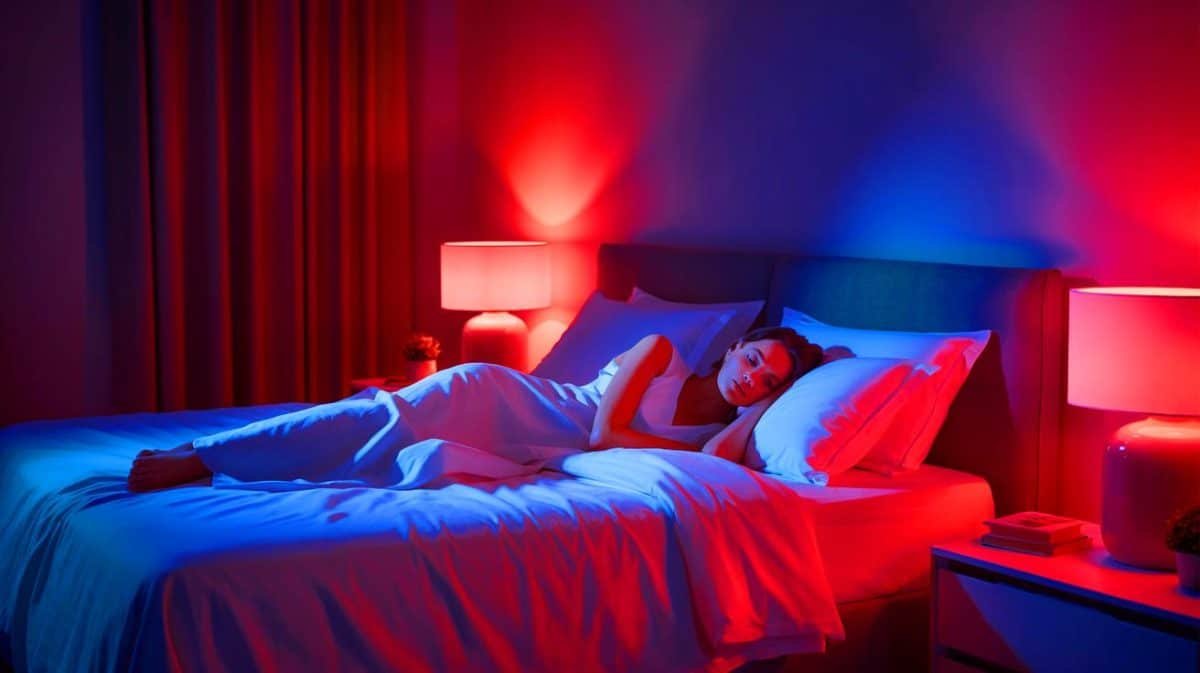
When selecting the optimal light color for reading at night, it is crucial to consider the surrounding environment, as various elements play a significant role in creating a harmonious workspace. The colors of the walls, furniture, and décor can greatly affect how light is perceived in the room and ultimately influence your reading experience.
Firstly, wall paint colors can either enhance or diminish the effectiveness of the light. Warm hues such as soft yellows and light creams can make a space feel inviting and intimate, allowing for a cozy reading atmosphere. In contrast, darker shades like deep blues or grays may absorb light, potentially making a reading area feel more enclosed and less conducive to relaxation. Therefore, it is essential to evaluate whether the wall colors reflect or absorb the light emitted by reading lamps.
Additionally, the choice of furniture can contribute to the overall ambiance. Light-colored furniture tends to reflect more light, which can brighten the space significantly. On the other hand, dark furniture may absorb ambient light, leading to a shadowy environment that can hinder focus and enjoyment. Thus, selecting lighter-toned furnishings can complement the reading light, promoting an uplifting and stimulating environment.
Lastly, decorative elements also play a role in the effectiveness of reading light. Accessories like curtains and carpets can influence how light bounces around the room. For instance, sheer curtains can diffuse light softly, while heavy drapes can obstruct it. Incorporating reflective materials such as glass or metallic finishes in décor items can enhance the overall brightness. By considering these aspects, readers can create an inviting and effective reading environment that supports their night-time reading habits.
Personal Preferences and Sensitivities
When selecting the best light color for reading at night, personal preferences and sensitivities play a crucial role in ensuring a comfortable experience. Individual differences, encompassing factors such as age and eye sensitivity, can significantly influence the choice of light color and intensity. For instance, older adults often experience changes in vision, which may necessitate brighter light or a specific light color that minimizes glare and enhances contrast with the text. Thus, understanding these nuances is vital.
Moreover, some individuals may have heightened sensitivities to certain wavelengths of light. Research suggests that blue light, which is abundant in white LED lights, can contribute to eye strain and fatigue, particularly when used during nighttime reading. Conversely, warmer light colors, such as soft amber or yellow, typically provide a more soothing illumination, reducing eye strain and promoting relaxation. This can be especially important for those who read for extended periods or have pre-existing visual discomfort.
Another element to consider is the environment in which one reads. Ambient lighting can affect how bright and appealing light appears. Preferences may vary widely; some readers may prefer a dim, cozy atmosphere, while others might find it difficult to focus unless the lighting is brighter. Experimentation with different light colors and intensities is beneficial to ascertain personal comfort levels and discover the most effective reading environment.
Ultimately, identifying the best light color for reading at night necessitates a personalized approach that factors in both individual sensitivities and preferences. By prioritizing these aspects, readers can create a conducive atmosphere that enhances their reading experience while minimizing any discomfort associated with their unique visual needs.
Light Fixtures and Technology Options
When it comes to enhancing the reading experience at night, selecting the right light fixtures and technologies is crucial. A well-lit environment not only promotes comfort but also minimizes eye strain. Today, there are various options that cater to individual reading preferences and styles.
Smart bulbs have emerged as an innovative solution, offering customization through adjustable brightness and color temperatures. These bulbs can change from warm, soothing shades to brighter, cooler tones depending on the time of day or the reader’s needs. Many smart bulbs can be controlled via smartphone applications, allowing users to set a schedule or adjust the lighting remotely, which adds convenience for nighttime reading.
Adjustable lamps are another popular choice for nighttime reading. They come in various designs, from desk lamps to floor lamps, and often feature flexible necks or articulated arms that enable users to direct light precisely where it is needed. This targeted lighting reduces shadows and enhances visibility, which is particularly beneficial for reading fine print or working on detailed projects.
Color-changing light fixtures provide an exciting alternative for those looking to create a specific ambiance in their reading spaces. These fixtures allow users to switch between different hues, selecting warmer tones for a cozy atmosphere or cooler tones for increased focus. Some advanced options come equipped with remote controls, making it effortless to transition between settings without interrupting the reading flow.
In conclusion, the selection of appropriate light fixtures and accompanying technologies can significantly impact one’s nighttime reading experience. Whether opting for smart bulbs, adjustable lamps, or color-changing options, readers are presented with a plethora of functional choices to enhance their enjoyment and comfort while reading. By carefully considering these options, readers can create an optimal environment that complements their reading habits and styles.
Creating a Reading Nook
Creating an ideal reading nook involves careful consideration of both layout and lighting to enhance the overall reading experience at night. The first step in setting up this space is to select a comfortable chair or lounge that supports your posture while providing ample cushioning for long reading sessions. Opt for furniture that aligns with your style while ensuring durability and comfort. Positioning this chair in a corner or away from the main flow of household activities can create a more secluded atmosphere, allowing for uninterrupted enjoyment of your reading materials.
Next, lighting plays a crucial role in the overall ambiance of the reading nook. When it comes to selecting the light color, soft, warm hues often work best as they reduce eye strain while fostering a cozy environment. Implementing adjustable fixtures, such as floor lamps or table lamps, allows you to change the light intensity depending on your needs. Consider using a dimmable bulb to further customize the experience, ensuring that the lighting remains conducive to late-night reading without causing disturbance to others in the household.
When designing your space, aesthetics matter as much as functionality. Personalizing the nook with elements such as bookshelf accents or artwork can inspire creativity and relaxation. Use color schemes that complement the chosen light fixture, merging style with comfort. Adding throw blankets and cushions in your favorite textures can make this nook even more inviting. Natural elements, like plants, can provide freshness and help create a tranquil environment, enhancing the overall feel of the space. By considering these factors, your reading nook not only becomes a comfortable place to enjoy literature but serves as a visually appealing retreat from daily distractions.
Tips for Healthy Nighttime Reading Habits
Establishing healthy nighttime reading habits is essential for ensuring that reading at night remains an enjoyable and beneficial activity. One of the most crucial practices is to break up reading periods. Continuous reading for extended durations can cause eye strain and fatigue. By setting timers to read for 20 to 30 minutes, followed by a brief break, readers can allow their eyes to rest and reset, enhancing their ability to absorb the material read. This rhythm not only helps in reducing discomfort but also improves reading comprehension over prolonged sessions.
In addition to taking breaks, it’s vital to pay attention to the light color and intensity used during nighttime reading. Warmer light tones are proven to be easier on the eyes compared to harsh, bright lights. Opting for LED lamps with adjustable brightness settings can significantly improve the overall reading experience. Avoiding excessive blue light, which can interfere with melatonin production and disrupt sleep patterns, is also recommended. Where possible, utilizing dimmable lights or specialized reading lights that minimize blue light exposure will contribute positively to one’s nighttime reading routine.
Furthermore, keeping a proper distance between the reading material and the eyes is important. Holding books or devices too close can lead to worsening vision or discomfort. A distance of at least 15 to 20 inches is ideal, paired with ensuring that the lighting is evenly distributed across the reading surface to prevent shadows. Additionally, practicing the 20-20-20 rule can be beneficial. This rule suggests that after every 20 minutes of reading, one should look at something 20 feet away for 20 seconds; this simple exercise can significantly reduce eye fatigue.
Protecting eye health while reading at night involves adopting these habits consistently. By focusing on break periods, choosing the right lighting, maintaining a proper distance, and applying specific reading exercises, readers can cultivate a healthier relationship with nighttime reading, leading to an enriching experience without adverse effects.