







Best products are rarely the ones with the loudest packaging; they are the ones that still work a year later, that a friend asks about, and that get used again the morning after a long day. This review looks across the everyday products we have kept coming back to, from bags that get loaded every morning to grow lights that run on a timer, and separates the designs that hold up from the ones that merely look impressive in a photo.
Each section below covers a different kind of product and a different reason it survives daily use, so you can judge the design rather than the category. We focus on what happens after the first week: whether the materials crease, whether parts are replaceable, whether the product earns its space, and whether a second one would make sense for someone you know.
At A Glance
- Most durable daily carry: the structured bag with a reinforced base that keeps its shape when empty.
- Best automatic helper: the timed routine that removes the single hardest part of a daily task.
- Best small design decision: the one-handed opening layout that saves fumbling every morning.
- Best for repeat buys: a range that stays consistent so a second purchase is a safe bet.
- What we looked for: whether the product still makes sense after a year of real use.
- What we ignored: styling that does not survive contact with a washing machine or a wet wipe.
How We Chose
- Longevity over first impression: a product that ages well is worth more than one that photographs well.
- Repairability: replaceable parts and washable surfaces extend useful life.
- Ease of daily use: the hardest part of the routine should be the easiest thing about the product.
- Honest utility: every design element should still make sense on day three hundred.
1. Everyday Carry That Survives The Commute
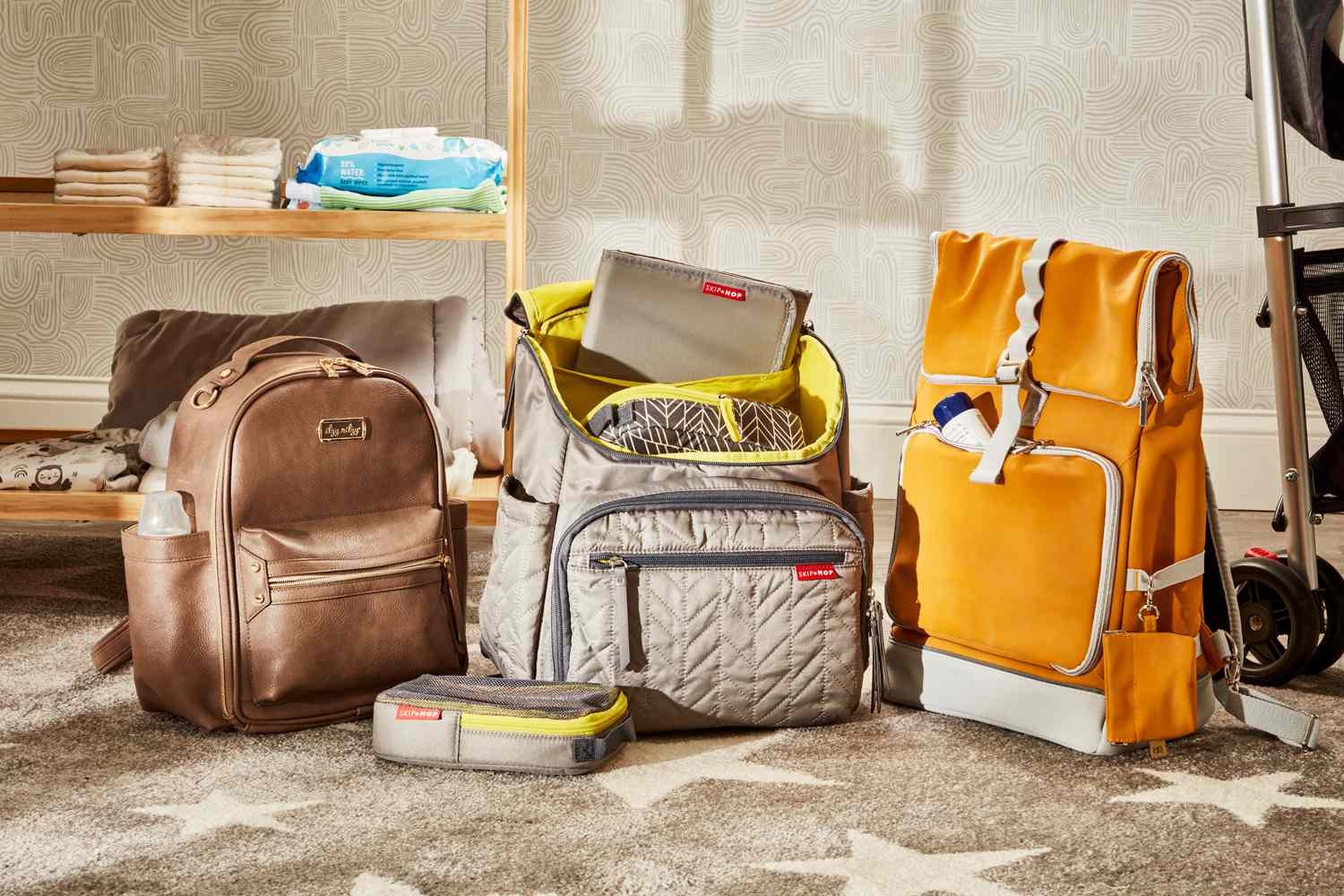
The first category of product that passes this test is the bag. Almost any bag looks fine on the first morning, but the ones that last are the ones that keep a shape when they are empty, that do not crease permanently at the strap anchors, and that can be opened while your other hand is holding a coffee cup. Structured bases and reinforced seams are the two details that separate a bag that ages from one that sags within a season.

| Durability | Structured body, reinforced base |
| Daily use | Commutes, errands, short trips |
| Maintenance | Wipeable outer surface |
| Best for | People who carry the same bag daily |
Pros
- Holds its shape instead of collapsing when empty.
- Surfaces wipe clean after a commute in bad weather.
- Strap anchors reinforced at the highest stress point.
Cons
- A structured body takes more room than a soft bag.
- Deep colourways show scuffs more readily.
Products that keep their shape are the ones people still use in year two.
2. Consistency Across A Product Range
The second thing that separates a product that holds up from one that does not is whether the brand makes the same decisions twice. When a range shares the same materials, the same finishes, and the same approach to the parts under stress, buying one item tells you what the rest of the range will be like, and replacing a worn component later becomes a straightforward job rather than a search. That consistency is invisible on a shelf and obvious after six months of use.

| Consistency | Same approach across the range |
| Replacement | Matching parts easier to source |
| Materials | Shared across components |
| Best for | Buying more than one item |
Pros
- One purchase tells you what the rest of the range is like.
- Worn parts are easier to replace with a match.
- Finishes stay consistent across a set.
Cons
- Consistency does not guarantee performance.
- Matching accessories cost more than basics.
A range that behaves consistently is worth more than a single standout item.
3. Bags Built To Be Opened One-Handed
The second category is small but revealing: products designed around a single awkward moment. Opening a bag while holding a child, a coffee, or a phone is a routine interruption, and the designs that solve it do so with wide openings, magnetic closures, or a layout that keeps essentials in reach at the top rather than at the bottom. These are rarely the most technical products in a review, but they are the ones that get noticed most often in daily use.

| Access | Wide, unobstructed opening |
| Layout | Essentials kept within reach |
| Closure | Simple, no fiddly hardware |
| Best for | Busy mornings and one-handed use |
Pros
- One-handed access removes a daily friction point.
- No hardware to lose or break in a bag.
- Top-loaded layout keeps small items visible.
Cons
- Wide openings make it easier to lose small items.
- Fewer internal divisions than a multi-pocket design.
Solving one small problem well is often worth more than adding features.
4. Products With A Consistent Brand Finish
The last category is about finish rather than function: the small manufacturing details that make a range of products look and feel like one set. Consistent hardware, matched finishes across parts, and packaging that does not get thrown away on day one are all signs of a brand that cares about the second half of the ownership cycle. These details rarely decide a purchase on their own, but they are what stops a product from feeling disposable.

| Finish | Matched across components |
| Hardware | Consistent, replaceable |
| Packaging | Reusable, not single-use |
| Best for | Buyers who keep a set together |
Pros
- Matched finishes make a set look intentional.
- Standard hardware is easier to replace.
- Packaging that survives can be reused for storage.
Cons
- Finish consistency does not guarantee performance.
- Matching accessories cost more than basics.
Consistent finishing is a quiet signal of a brand built to last.
Buying Checklist
- Check it after a week: a product that still makes sense on day seven is usually fine.
- Look for washable surfaces: cleanability affects whether a product stays in use.
- Prefer replaceable parts: zips, clips and cables should be replaceable.
- Test the everyday moment: can it be used when one hand is busy?
- Consider storage: products that fold or stand flat are easier to keep.
- Check the return path: a clear returns process is part of the product too.
Conclusion
The products that hold up share a simple trait: they were designed around the ordinary Tuesday rather than the photograph. A structured bag that keeps its shape, a grow light with a timer, a layout that opens one-handed, a finish that stays consistent, all of these solve a recurring small problem properly rather than adding novelty. That is the difference between something you keep for a year and something that ends up in a drawer.
When you are choosing, look for the detail that will matter most on an ordinary day, such as a wipeable base or a timer, and be sceptical of features that only show off in a demonstration. Products that keep working after the first week are usually the ones that were designed to be used rather than photographed.
Judge a product on what happens in week two, not in the first minute. Browse more of our product reviews and buying guides here.
FAQ
How do I know if a product is built to last?
Look at the parts that take the most stress: base panels, strap anchors, hinges, and closures. If those are reinforced and the surfaces are wipeable or washable, the product usually stays usable for far longer than one with decorative construction everywhere else and nothing where it matters.
Are premium finishes worth paying more for?
Finish quality matters most when you buy a matching set or replace parts regularly. For a single-use item, the practical specifications such as capacity, light output, or material thickness are usually a better use of the same budget.
How should I test a new product before keeping it long-term?
Use it in the situation you bought it for, at full capacity, for at least a week. Most problems appear under real load rather than in the first use, and returning a product early is much easier than replacing it later.
Do cheaper versions of the same product work just as well?
Sometimes, but the difference usually shows up in the parts under stress: seams, coatings, cables, and fittings. If the product is used heavily and often, spending more on those components tends to be the difference between one year and several.