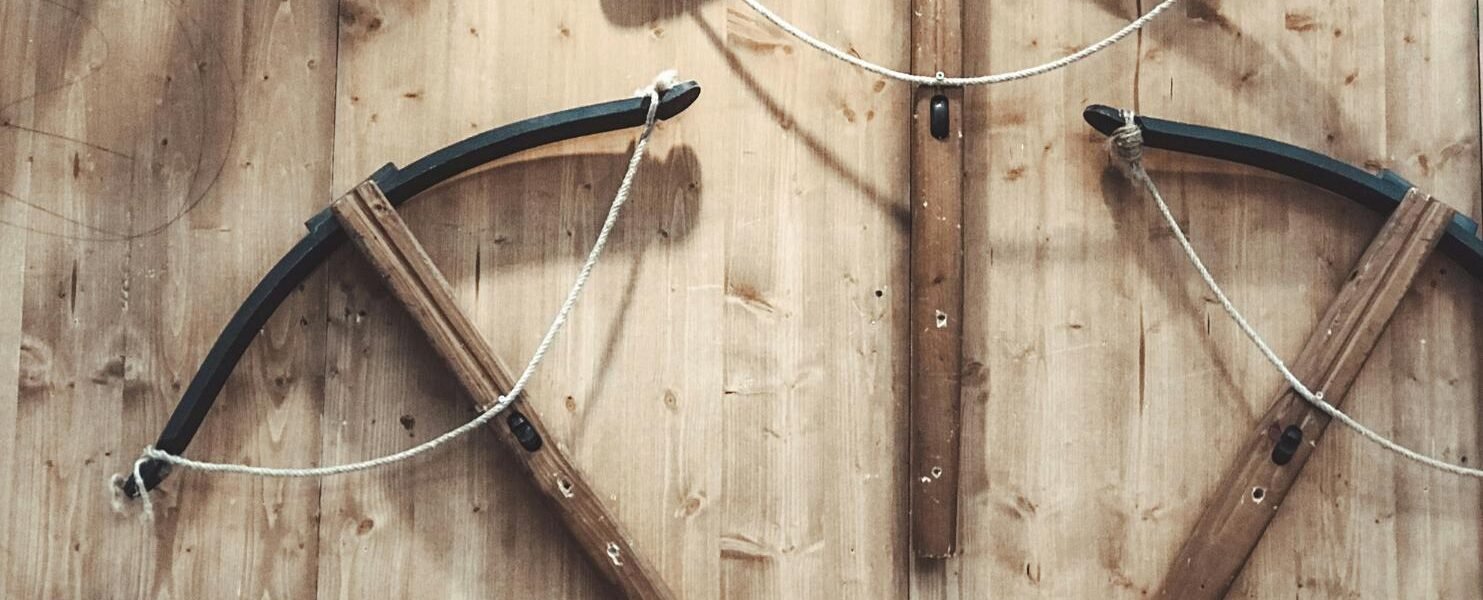

Crossbow hunting has a storied history that can be traced back to ancient civilizations, where this powerful weapon was utilized for hunting and warfare. The earliest known use of crossbows dates back to China around the 5th century BC, evolving over time into various forms across cultures in Europe and Asia. As advancements in technology occurred, the design and function of crossbows also improved, leading to more accurate and easier-to-use hunting tools.
In recent years, crossbows have experienced a resurgence in popularity among hunters. This revival can be attributed to several factors, including increased accessibility, regulatory changes that expand hunting seasons, and the weapon’s unique advantages. Crossbows can be used by those who may struggle with traditional compound bows, making the sport more inclusive. Their ability to shoot with precision at longer ranges appeals to both novice and experienced hunters alike.
The effectiveness of crossbows in deer hunting is a topic that warrants further exploration. Many hunters advocate for their use, citing factors such as ease of use, minimal physical demand compared to traditional methods, and an impressive range. As the debate continues, it is important for hunters to consider various factors, such as local regulations, personal preferences, and ethical hunting practices, when determining whether a crossbow is the right choice for their hunting endeavors.
This exploration will delve into the historical context, current trends, and future potential of crossbow hunting, specifically regarding its role in deer hunting. Through examining these aspects, the blog post aims to provide a well-rounded perspective, enabling readers to make informed decisions about integrating crossbows into their hunting practices.
Advantages of Using Crossbows for Deer Hunting
Crossbows have gained significant popularity among hunters, particularly for deer hunting, due to their unique advantages. One of the foremost benefits of using crossbows is their ease of use. Unlike traditional bows, which require considerable training and skill to master, crossbows are designed to be easier to handle, making them more manageable for beginners. This accessibility means that new hunters can quickly acquire the necessary skills to be effective in the field without overwhelming complexity.
Accuracy is another essential advantage of crossbows. The design of a crossbow allows for a stable shooting platform, which enhances precision while aiming. The added weight of a typical crossbow can mitigate issues like hand shake or movement, enabling hunters to take more accurate shots. This is particularly beneficial in hunting scenarios where a clean, ethical shot is paramount for a quick kill. Furthermore, many modern crossbows are equipped with advanced optics and sighting systems that further improve accuracy over longer distances.
Power is a key characteristic of crossbows that cannot be overlooked. When drawn, a crossbow imparts considerable kinetic energy to the arrow, resulting in a powerful shot that can effectively take down deer. The velocity and force generated by crossbow bolts can often surpass that of traditional arrows, making them highly effective in various hunting scenarios. Additionally, this power can prove advantageous in ensuring that the arrow penetrates sufficiently to reach vital organs swiftly, minimizing the chances of a wounded animal fleeing.
For hunters with physical limitations, crossbows represent a valuable option as they require less upper body strength to shoot accurately. This inclusivity allows individuals who might struggle with traditional bow setups to partake in deer hunting activities. Overall, the combination of ease of use, precision, and power makes crossbows an appealing choice for a broad spectrum of hunters.
Comparing Crossbows to Traditional Bows
When discussing deer hunting equipment, the choice between a crossbow and traditional bows—such as compound or recurve bows—primarily hinges on differences in shooting technique, draw weight, aiming methods, and the learning curve required for proficiency. Understanding these aspects can illuminate why hunters may prefer one over the other.
One of the most significant differences lies in the shooting technique. Crossbows operate on a mechanism that allows the shooter to draw and hold the string at full draw, reducing the physical exertion required when preparing for a shot. This characteristic is particularly advantageous for individuals who may lack the strength or stamina to effectively operate a traditional bow. Conversely, traditional bows require the hunter to draw, hold, and aim while maintaining tension. The need for consistent practice with draw techniques and muscle control is crucial, making it a more demanding option.
The draw weight associated with crossbows is typically lower than that of traditional bows. This means that hunters can utilize a higher draw weight with minimal effort, effectively generating more power upon release, which can lead to better penetration and accuracy. Traditional bows, however, require the shooter to manage their own draw weight, which can vary significantly based on the individual’s ability and preference. This aspect can significantly influence the hunter’s experience and performance in the field.
Aiming entails distinct methodologies as well. Crossbows often employ scopes or sights, supporting easier targeting and offering advantages in certain hunting scenarios, especially in low-light conditions. Traditional bows rely on instinctive aiming or pin sights, necessitating a level of skill and experience. As such, the learning curve associated with mastering either option varies considerably and plays a vital role in a hunter’s decision-making process.
In summary, both crossbows and traditional bows possess unique features that make them suitable for different types of hunters. The choice ultimately depends on individual preferences and hunting conditions, emphasizing the importance of understanding their respective advantages.
Legal Considerations and Regulations
Understanding the legal framework surrounding crossbow hunting is vital for hunters who wish to explore this method of taking game, particularly deer. Regulations surrounding the use of crossbows can vary significantly from one state or country to another. In some regions, crossbows are treated like firearms, while in others, they may be classified similarly to archery equipment. It is essential for hunters to familiarize themselves with these distinctions, as they can greatly affect hunting opportunities and practices.
Many states in the United States have designated specific hunting seasons during which crossbows may be used. These special seasons could either coincide with traditional archery or firearm hunting periods or offer exclusive timeframes for crossbow hunters. For instance, in certain states, a crossbow may be legal during archery season only when specific conditions, such as possessing a disability permit, apply. As a result, prospective hunters should consult their local wildlife management authority or agency to verify the relevant hunting seasons and ensure compliance with all regulations related to crossbow usage.
In addition to season-specific regulations, hunters often need to obtain licenses or permits for crossbow hunting. These requirements can include basic hunting licenses as well as additional certifications or permits expressly for crossbow use. It is imperative to complete any necessary applications well before the hunting season commences to avoid last-minute complications. Furthermore, regulations may stipulate particular specifications regarding the type of crossbow being used, such as draw weight or arrow size, to ensure ethical and humane hunting practices.
Ultimately, prospective crossbow hunters should conduct thorough research on the various legal regulations applicable in their region. This preparation will not only ensure compliance but also foster a safe and enjoyable hunting experience with a crossbow.
The Best Crossbows for Deer Hunting
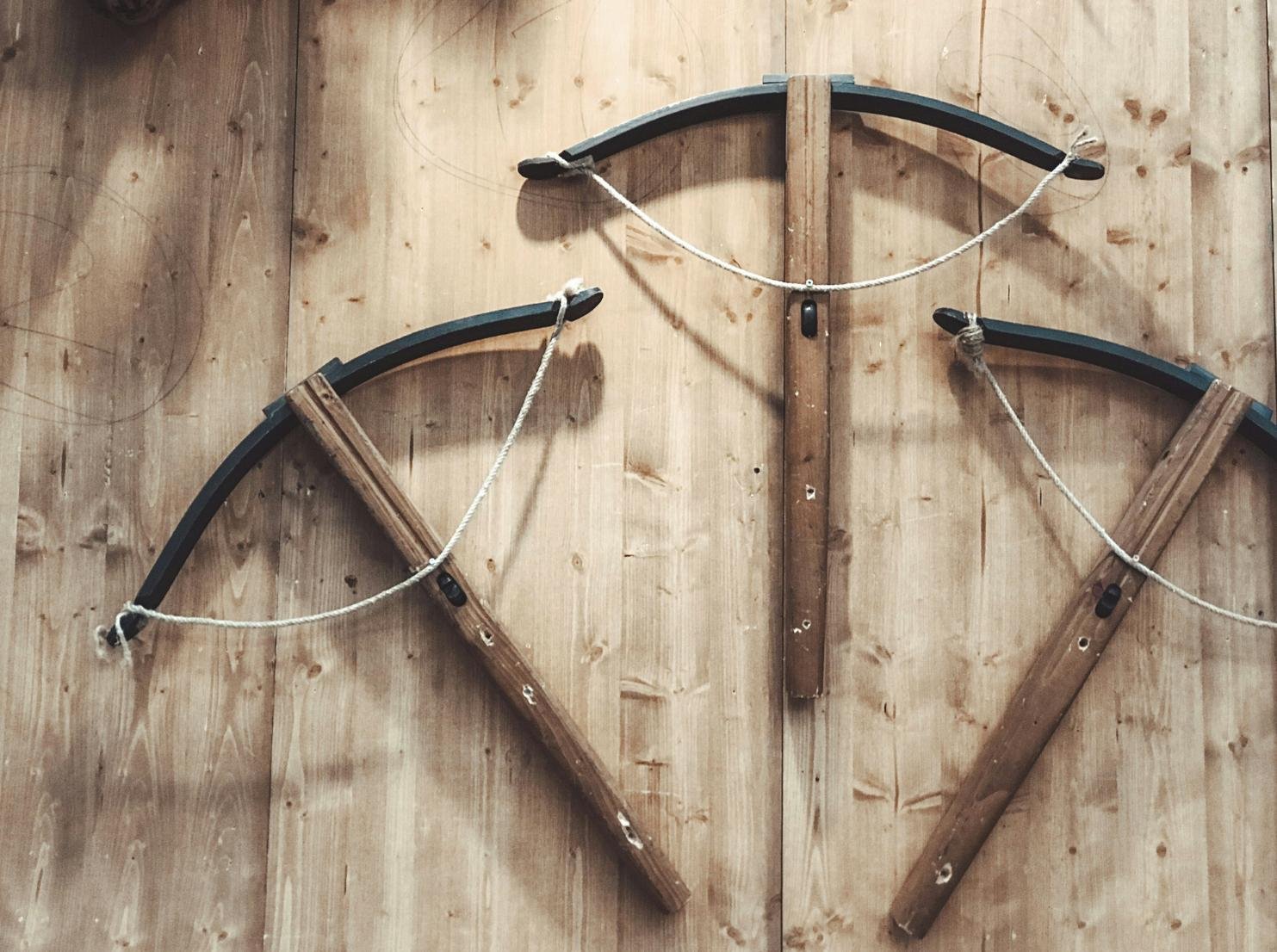
When considering the optimal crossbows for deer hunting, several factors come into play, including durability, speed, noise level, and price. These elements are essential for hunters seeking an effective and reliable weapon in the field. Below, we present a selection of top crossbow models that have proven themselves in the realm of deer hunting.
The Ravin R10 is often at the forefront of discussions regarding high-performance crossbows. This model features a compact design, making it ideal for maneuvering within dense woods. It boasts an impressive speed of 400 feet per second and a very quiet operation, crucial for close encounters with deer. Additionally, the R10 is built with robust materials, ensuring that it can withstand various weather conditions, making it a durable choice for any hunter.
Another highly regarded option is the TenPoint Vapor RS470. This crossbow is engineered with advanced technology that includes a lightweight frame and an excellent power-to-weight ratio. It can shoot arrows at speeds exceeding 470 feet per second, offering remarkable accuracy at longer distances. With its integrated cocking mechanism, this crossbow minimizes sound and vibration, further enhancing its suitability for stealthy deer hunts.
For those on a tighter budget, the Barnett Whitetail Hunter II is an excellent alternative. It provides a good balance between performance and cost, making it accessible to amateur hunters. This model has a relatively lighter build, facilitating ease of carry during long hunts while still achieving a commendable speed of around 375 feet per second. Furthermore, it incorporates a silencing system, allowing for quieter shots, which is a key component in successful deer hunting.
Ultimately, choosing the right crossbow largely depends on individual preferences and hunting conditions. Each of these models presents unique advantages, ensuring that hunters can find a crossbow that aligns with their specific needs and budget considerations.
How to Properly Use a Crossbow for Deer Hunting
Utilizing a crossbow for deer hunting can significantly enhance one’s chances of success if done correctly. To begin with, ensuring that your crossbow is properly set up is crucial. This involves checking the draw weight and ensuring that the scope is accurately calibrated to your shooting distance. Regular maintenance, such as lubricating the rail and replacing worn strings, can also play a vital role in improving the performance of your crossbow.
Once your equipment is ready, mastering aiming techniques is essential. Unlike traditional bows, crossbows require a different approach when it comes to aligning the sight with the target. It is important to maintain a steady grip and avoid jerking the trigger, as even the slightest movement can affect accuracy. Many experienced hunters recommend practicing from various distances to better understand your crossbow’s trajectory, ensuring your confidence translates to the field.
Shot placement is another critical element in ensuring a humane hunt. The ideal target area for deer hunting with a crossbow is the heart-lung zone, which provides a quick and ethical kill. To aim for this area, hunters should wait for the deer to turn broadside, allowing for a clear shot that avoids major bone structures. It is important to remain calm and patient in these moments, as rushing can lead to poor shot choices.
After successfully harvesting a deer, field dressing is essential for preserving the meat. Begin by hanging the deer, allowing for easier access. A sharp knife is critical to this process; careful cuts allow for efficient gut removal while minimizing contamination. Following field dressing, it’s important to cool the meat as soon as possible to maintain quality. By mastering these techniques, both novice and seasoned hunters can greatly improve their experience and efficacy in deer hunting with a crossbow.
Ethical Considerations in Crossbow Hunting
The ethical considerations surrounding crossbow hunting are of paramount importance to ensure that the practice aligns with humane hunting standards. The moral implications necessitate a thorough examination of how and why these methods should be executed responsibly. As hunters, it is imperative to prioritize humane practices that ensure the swift and effective harvesting of deer, thereby minimizing any potential suffering experienced by animals during the hunt.
One of the central ethical concerns lies in the ability of the hunter to deliver a humane kill. A well-crafted crossbow, when used competently, can be an effective tool for deer hunting, providing accuracy and sufficient power to ensure a quick dispatch of the animal. The responsibility rests on the hunter’s shoulders to practice regularly and become proficient with their crossbow. A clear understanding of the crossbow’s mechanics and its trajectory, along with proper shot placement, is crucial for achieving an ethical kill and adhering to hunting ethics.
Additionally, hunting should be approached with a respect for wildlife and the environment. This perspective encourages hunters to consider their role in conservation efforts and the importance of maintaining a sustainable ecosystem. Engaging in crossbow hunting should not only be about the thrill of the chase or the success of the harvest; it should also factor in the respect for individual animals and their populations as a whole. Issues such as overhunting or targeting particular prey without regard for ecological balance are ethically troubling and should be diligently avoided.
A commitment to ethical hunting practices includes adherence to regulations governing hunting periods and bag limits. This responsibility fosters a sustainable practice that benefits the environment and respects the life it seeks to harvest. By integrating these ethical considerations into crossbow hunting, hunters can maintain integrity and foster a culture of responsible hunting behaviors.
Challenges and Drawbacks of Crossbow Hunting
While crossbows offer unique advantages for deer hunting, they also present certain challenges and drawbacks that hunters should consider. One notable concern is the weight of the equipment. Crossbows tend to be heavier than traditional compound bows, making them less convenient for extended treks in the wilderness. Carrying a heavy crossbow can lead to fatigue, particularly during long hunts. This added strain may affect a hunter’s ability to remain steady during aiming, potentially compromising accuracy.
Another challenge associated with crossbow hunting is the necessity for regular maintenance. Just like any precision instrument, crossbows require consistent upkeep to function effectively. This includes checking the strings and cables for wear and tear, ensuring proper alignment, and maintaining the scope. Neglecting these maintenance tasks may lead to reduced performance or even mechanical failure at critical moments in the field.
Additionally, specific shooting conditions can pose difficulties for crossbow hunters. Crossbows are generally bulkier and may be less maneuverable in confined spaces compared to a traditional bow. This can be particularly problematic in dense woods or heavy brush, where quick movements are often necessary. Furthermore, because crossbows are generally less forgiving of poor form than other types of archery equipment, ensuring proper technique becomes paramount, particularly for less experienced hunters.
Weather conditions can also impact the effectiveness of crossbow hunting. Rain, snow, and extreme cold can have adverse effects on both the accuracy of the shot and the functionality of the equipment. Moisture can damage the strings and affect the integrity of the crossbow, necessitating careful consideration of such factors during the planning stages of a hunting trip. Understanding these challenges is essential for any hunter contemplating the use of a crossbow for deer hunting.
Conclusion: Are Crossbows Right for You?
In our exploration of crossbows as a viable option for deer hunting, several critical factors have emerged that may influence your decision. First and foremost, the unique advantages of crossbows, including their ease of use and accuracy, make them appealing to both novice and experienced hunters. Crossbows allow for a more forgiving shooting experience, especially for those who may not possess extensive upper body strength or familiarity with traditional archery. This accessibility can be particularly beneficial for those who may struggle with standard bow techniques.
Furthermore, the precision associated with crossbow technology, such as enhanced sights and various hunting accessories, contributes positively to the overall hunting experience. These features not only improve the likelihood of a successful hunt but may also lead to a more ethical take on the sport due to increased accuracy, which is essential for a humane kill.
On the other hand, prospective hunters should consider their individual preferences, hunting environments, and local regulations. In certain locations, crossbow hunting may be permitted only during specific seasons or may have restrictions in place that do not apply to traditional archery equipment. It is crucial to familiarize oneself with these laws before making a decision. Additionally, the weight and design of crossbows can vary significantly between models, which can affect comfort during extended periods of use.
Ultimately, whether or not a crossbow is suitable for your deer hunting endeavors depends on personal preferences and situational factors. As the popularity of crossbow hunting continues to rise within the community, it is likely that more advancements will be made, offering even greater options and enhancing the overall experience. Therefore, it is advisable to assess your needs carefully, weighing the pros and cons, before concluding if a crossbow aligns with your hunting goals.
Related Posts: