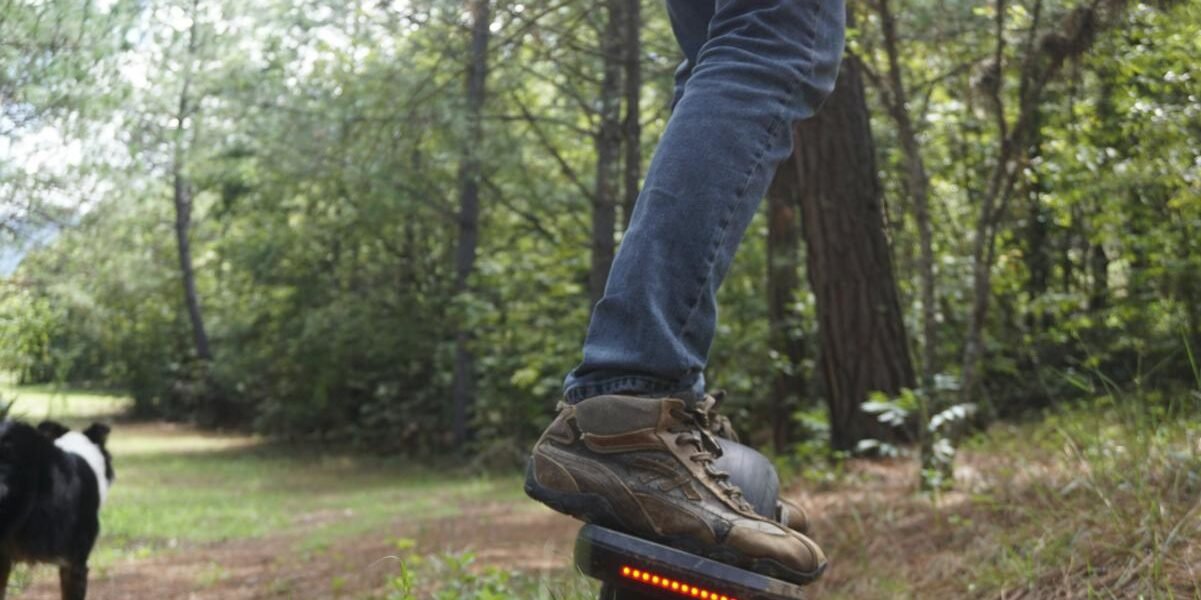

Hoverboards, often referred to as self-balancing scooters, represent a remarkable innovation in personal transportation technology. Initially introduced in the early 2010s, these devices quickly gained traction, capturing the imagination of tech enthusiasts and casual users alike. Their design typically features a platform for riders to stand on, flanked by two parallel wheels that are equipped with advanced sensors and motors. This design allows for intuitive control through body weight shifts, offering a unique riding experience.
The history of hoverboards dates back to the early prototypes developed around 2013. As companies proposed various iterations, the demand surged, leading to a boom in production and sales. Their popularity can be attributed to advertisements portraying hoverboards as a fun and futuristic means of transport. With increased interest, numerous manufacturers began to explore the potential of these devices, initiating rapid advancements in the underlying technology.
Over the years, the evolution of hoverboards has been marked by improvements in their mechanical design, battery life, and safety features. The integration of smart features, such as Bluetooth connectivity and smartphone applications, has further aligned these devices with modern urban mobility trends. This evolution has transformed hoverboards from novelty items into practical alternatives for short-distance commuting, allowing users to navigate through urban environments efficiently. As a testament to their growing significance, numerous cities are now accommodating hoverboards within existing public transport systems and infrastructure.
In this blog post, we will delve deeper into the various technologies that allow hoverboards to maintain balance, exploring whether all hoverboards truly possess self-balancing features and what implications such technology holds for users. Through this exploration, we aim to provide a comprehensive understanding of these popular personal transportation devices.
What is Self-Balancing Technology?
Self-balancing technology is a critical feature of hoverboards, enabling riders to maintain stability and control effortlessly. This technology primarily relies on a combination of sensors, including gyroscopes and accelerometers, which together measure orientation and motion. Gyroscopes are devices that help detect and maintain rotational orientation, while accelerometers measure the rate of change of velocity and hold essential data regarding the board’s tilt and angle of movement.
The interplay between these sensors creates a feedback loop that constantly adjusts the hoverboard’s position in real time. When a rider leans forward or backward, the accelerometers detect this inclination. The gyroscopes, in turn, gauge the board’s angular momentum. The self-balancing system then processes this information to adjust the speed of the motors located at the wheels. This adjustment propels the hoverboard in the desired direction, allowing the rider to maintain balance effectively.
Moreover, hoverboards are engineered with specific design principles that support self-balancing capability. The distribution of weight and the design of the wheels play a vital role in how stability is managed. The width and spacing of the wheels contribute to a lower center of gravity, making it easier for the rider to balance. The self-balancing technology thus ensures that even beginners can ride without the constant fear of falling, which significantly enhances safety and user experience.
In essence, the advent of self-balancing technology has made hoverboards accessible to a broader audience, allowing more people to enjoy the thrill of riding without extensive prior experience. By integrating advanced sensors and design strategies, these devices successfully create a harmonious balance between rider and board.
Types of Hoverboards
Hoverboards, often recognized for their unique design and innovative riding experience, can be categorized into several types based on their balancing capabilities and additional features. Primarily, hoverboards fall into three main categories: self-balancing hoverboards, driftless hoverboards, and advanced models.
Self-balancing hoverboards are the most common type found in the market. They utilize gyroscopic sensors and internal software that allow riders to maintain balance while moving. These boards are ideal for beginners, as they provide a more intuitive experience. Riders can easily lean forward or backward to propel the hoverboard, significantly enhancing control and stability.
Driftless hoverboards, on the other hand, are designed to provide a distinctive riding experience. Unlike their self-balancing counterparts, driftless hoverboards allow for a sideways movement or “drifting.” This feature is particularly appealing to advanced riders seeking to perform tricks or navigate tighter spaces. Driftless models often emphasize maneuverability over balance, offering a different dynamic in the hoverboarding experience.
Advanced hoverboard models incorporate additional features that elevate the riding experience. These may include Bluetooth connectivity, built-in speakers, LED lights, and superior battery technology. Some advanced models even come equipped with handling features like automatic speed regulation or obstacle detection to enhance safety and user experience. Such innovations cater to a diverse audience, appealing to both casual riders and technology enthusiasts alike.
In summary, understanding the various types of hoverboards available allows potential buyers to make informed decisions based on their skill level and desired riding style. Whether opting for self-balancing designs or more specialized models, each category presents unique benefits that cater to distinct preferences and riding experiences.
Self-Balancing vs. Non-Self-Balancing Hoverboards
Hoverboards have gained immense popularity as a mode of personal transportation, and they can generally be divided into two categories: self-balancing and non-self-balancing models. Understanding the key differences between these types is essential for consumers to make informed decisions that align with their preferences and skills.
Self-balancing hoverboards are designed with advanced gyroscopic technology and sensors, enabling the rider to maintain balance effortlessly. These hoverboards require the user to lean in the direction they wish to move. The internal mechanisms adjust the motor speed accordingly, providing a more intuitive riding experience. They are often seen as ideal for beginners, as they generally have a lower learning curve. This ease of use makes them a popular choice for kids and young adults looking to navigate urban environments with minimal risk of falls.
In contrast, non-self-balancing hoverboards lack the sophisticated self-balancing features, which can make them more challenging to ride. Riders must rely heavily on their own balance and skills to control their movement. These hoverboards are more akin to traditional skateboards or scooters and often appeal to more experienced riders seeking a greater level of control and maneuverability. While they may provide a thrilling experience for those who are adept at balancing, newcomers may find them intimidating and potentially dangerous without prior practice.
Ultimately, the choice between self-balancing and non-self-balancing hoverboards hinges on the rider’s experience and desired level of challenge. Individuals seeking a hassle-free riding experience may gravitate towards self-balancing options, while those looking for an adrenaline-inducing ride may prefer the dynamic handling of a non-self-balancing model. Regardless of the choice, both types offer unique benefits that cater to different user needs.
Pros and Cons of Self-Balancing Hoverboards
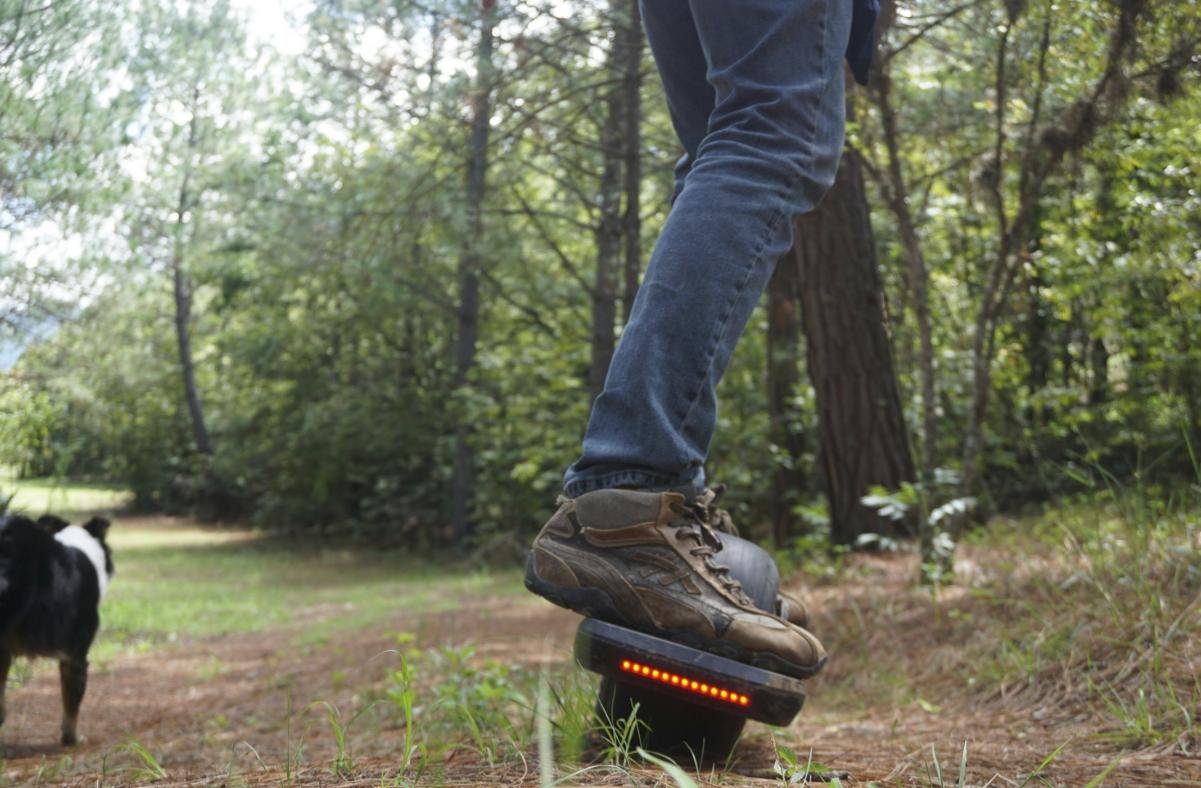
Self-balancing hoverboards, often recognized for their intuitive operation, have gained popularity among users of all ages. One of the primary advantages of these devices is their ease of use. Unlike traditional hoverboards, which demand a certain level of balance and skill, self-balancing models are engineered to provide stability, making them accessible for beginners. The incorporation of gyroscopic technology assists in maintaining balance, allowing riders to focus on navigating rather than worrying about falling.
In addition to ease of use, safety is a significant factor that sets self-balancing hoverboards apart. These devices typically feature safety mechanisms such as non-slip foot pads, LED lights, and speed limits. These features collectively contribute to minimizing the risk of accidents, thereby enhancing the riding experience. For families, having a hoverboard that prioritizes safety can provide peace of mind when younger riders are involved.
However, self-balancing hoverboards are not without drawbacks. One notable con is maintenance. Although these hoverboards are designed to be user-friendly, they often require regular maintenance and potential repairs due to their electronic components. The complexity of the technology means that any malfunction could necessitate specialized knowledge for troubleshooting, making ownership less convenient.
Moreover, while self-balancing hoverboards excel in performance for novice riders, they might not cater to experienced users seeking more dynamic riding styles. The stability-oriented design could limit the maneuvers that thrill-seekers desire, placing these hoverboards at a disadvantage compared to their traditional counterparts. Ultimately, while self-balancing hoverboards offer significant benefits in terms of safety and accessibility, individuals must weigh these against aspects such as maintenance requirements and performance limitations when making a choice.
Safety Features in Hoverboards
Hoverboards have gained popularity as a mode of personal transport, particularly self-balancing models, due to their user-friendly features. The design and technology behind these devices emphasize safety, ensuring that riders can enjoy their experience without undue risk. Among the primary safety features, speed controls play a crucial role. Many self-balancing hoverboards come equipped with settings that limit the maximum speed, enabling users, especially beginners, to ride at a manageable pace. This functionality reduces the likelihood of accidents caused by excessive speed and allows more cautious riding.
Another essential aspect of hoverboard safety is battery protection. Modern hoverboards incorporate advanced battery management systems that prevent overheating and overcharging. These systems work efficiently to safeguard the user from potential hazards associated with battery failures, which have historically caused incidents involving fires. A hoverboard with an efficient battery protection feature ensures longevity and safety.
Visibility is also a critical consideration, particularly in low-light situations. Many hoverboards are equipped with LED lights that enhance visibility, making the rider more noticeable to pedestrians and other vehicles. This feature is invaluable for nighttime rides, as it helps to prevent accidents and keeps the rider safe. Proper visibility contributes significantly to a rider’s awareness of their surroundings, adding another layer of safety to the experience.
Lastly, anti-slip footpads are a standard feature in self-balancing hoverboards. These pads are designed to provide better grip, ensuring that the rider’s feet do not slip while in motion. The combination of these safety features creates a comprehensive safety net that enhances the overall user experience, allowing riders to focus on enjoying their hoverboards without compromising their safety.
How to Choose the Right Hoverboard for You
Choosing the right hoverboard involves careful consideration of various factors to ensure it meets your specific needs. One of the foremost factors to keep in mind is your skill level. Beginners may benefit from a self-balancing hoverboard, which offers additional stability and ease of use. Advanced riders might prefer hoverboards that allow for more challenging maneuvers, thereby enhancing their riding experience. It’s essential to assess your comfort level and select a model that aligns with your expertise.
Another critical consideration is the intended use of the hoverboard. If you plan to use it primarily for commuting, look for options that offer durability, longer battery life, and robust construction. It’s also advisable to check whether the hoverboard is suitable for various terrains, especially if your route includes rough surfaces or inclines. Conversely, if your primary aim is recreation, including tricks and stunts, a model designed for versatility and higher speed may be more appropriate.
Budget also plays a significant role in the selection process. Hoverboards come in a wide range of prices, influenced by brand quality, additional features, and specifications. While it might be tempting to go for the cheapest option, investing in a reliable and well-reviewed model often yields better safety and performance. Pay attention to user reviews and expert evaluations when making your decision.
Lastly, understanding the specifications related to self-balancing technology is crucial. Not all hoverboards employ the same balancing technology, which can affect ride stability and safety. Look for features like shock-absorbing wheels, quality motors, and effective gyroscopic sensors. Ensuring that the hoverboard has robust self-balancing capabilities can enhance your riding experience.
Maintaining Your Hoverboard
Proper maintenance is essential to ensure that your hoverboard functions optimally and that the self-balancing technology remains effective over time. Regular checks and care can significantly prolong the lifespan of this innovative device. One of the crucial aspects of hoverboard maintenance is monitoring the battery life. Regularly charging the battery according to the manufacturer’s recommendations not only helps in maintaining its performance but also prevents potential hazards associated with overcharging or undercharging.
Additionally, it is advisable to perform periodic inspections of the hoverboard’s tires. Ensuring that the tire pressure is at recommended levels is vital for not just performance but also safety. Inadequate tire pressure can lead to a decline in the self-balancing capabilities, as uneven pressure can affect the control of the hoverboard. If you notice any signs of wear or damage on the tires, it is prudent to replace them promptly to maintain a safe riding experience.
Another important aspect of maintaining your hoverboard relates to its software and firmware. Most modern hoverboards come with integrated software that controls the self-balancing features. Keeping this software up to date is crucial, as manufacturers often release updates that enhance performance and safety features. Regularly checking the manufacturer’s website or the mobile app for updates can ensure that your hoverboard benefits from the latest improvements.
Lastly, proper storage of the hoverboard is fundamental in preventing damage. Avoid leaving the hoverboard exposed to extreme temperatures or wet conditions, as these can negatively impact its internal components. By following these tips, you can ensure that your hoverboard remains functional, safe, and enjoyable for years to come.
Conclusion: The Future of Hoverboards
In the exploration of hoverboards, we have identified that not all hoverboards possess self-balancing technology, a crucial feature that significantly influences user experience and safety. Self-balancing hoverboards are designed with advanced gyroscopic sensors and sophisticated algorithms that allow them to maintain stability, providing riders a smoother and more controlled experience. The emergence of self-balancing technology has transformed the personal transportation landscape, offering enhanced usability for both beginners and experienced riders. These innovations have become a critical selling point, attracting consumers who prioritize safety and ease of use.
Looking ahead, the future of hoverboards appears promising, particularly with ongoing advancements in technology. Manufacturers are investing in research and development aimed at enhancing self-balancing capabilities even further. Potential advancements could include the integration of artificial intelligence, allowing hoverboards to learn and adapt to individual rider behaviors, thereby improving stability and control. Additionally, the incorporation of improved battery technology may also lead to longer ride times and quicker charging solutions, making hoverboards more accessible and convenient than ever before.
Furthermore, innovations in materials and design can lead to hoverboards that are not only lighter but also more durable. This could open up opportunities for new applications, such as off-road or specialized hoverboards that maintain self-balancing features in a variety of terrains. The ever-evolving landscape of hoverboard technology indicates that we may soon see models that significantly enhance safety features and performance, ensuring a safer experience for users.
As we analyze the trajectory of hoverboard advancements, it is clear that self-balancing technology will remain at the forefront of development. The continuous enhancements in this area will likely redefine user expectations and lead to broader acceptance and integration of hoverboards in everyday life.