

Longboarding is an exciting and dynamic variation of skateboarding that has gained immense popularity since its inception in the 1950s and 1960s. Originally developed as a means for surfers to practice their skills on land when conditions were unfavorable, longboarding has since evolved into a distinct activity that emphasizes cruising, commuting, and downhill racing. This sport differentiates itself from traditional skateboarding through its longer decks and different geometries, which offer enhanced stability and ease of balance, making it suitable for a wide range of riders.
One of the primary benefits of longboarding is its ability to provide a smoother ride over various terrains. The longer wheels and deck allow for greater shock absorption, minimizing jarring impacts from cracks and uneven surfaces—an advantage that traditional skateboards do not offer. This aspect of longboarding makes it particularly appealing for urban commuters looking for an eco-friendly and efficient mode of transportation. Riders can cover greater distances while enjoying the scenery and fresh air, effectively integrating exercise into their daily routines.
Moreover, longboarding encompasses various styles, each with unique characteristics and purposes. These styles include cruising, which focuses on leisurely rides and enjoying the surroundings; downhill racing, where riders compete on steep gradients for speed; and freestyle longboarding, which integrates tricks and maneuvers, akin to traditional skateboarding. Freeride longboarding, another category, emphasizes sliding techniques and control during downhill rides. Understanding these diverse styles is essential for potential longboard buyers, as it helps in selecting the appropriate board tailored to their specific needs and preferences. Thus, recognizing the differences between longboarding and regular skateboarding lays the groundwork for making an informed decision when purchasing a longboard.
Types of Longboards
Longboarding has gained popularity as a versatile and enjoyable means of transportation and recreation. As various styles have emerged, riders can choose from different types of longboards to cater to their specific needs and preferences. The market features four primary types: cruiser boards, downhill boards, freeride boards, and dancing boards, each designed with distinct characteristics to enhance the riding experience.
Cruiser boards are the most common type of longboard and are designed for ease of use and portability. These boards are typically shorter in length, featuring a wider deck that provides stability and comfort while riding. Cruisers are ideal for commuting, casual rides, and navigating city streets. Their soft wheels allow for a smoother ride over rough terrain, making them suitable for beginners and seasoned riders alike.
Downhill boards are tailored for speed and agility. These boards are usually longer, with a more aerodynamic shape to enhance stability during fast descents. Downhill longboards are equipped with stiffer construction and larger wheels, allowing riders to maintain control at high speeds. This type requires more experience and is favored by those seeking adrenaline-fueled activities on steep hills.
Freeride boards combine elements of both cruising and downhill riding, enabling riders to execute slides and tricks with ease. They often feature a symmetrical shape and a flexible design, allowing for better maneuverability. Freeride boards appeal to those looking to master various techniques, such as slides, while still enjoying the occasional downhill speed run.
Lastly, dancing boards are great for those who appreciate the artistic aspect of longboarding. These boards have a lengthy and flexible design that allows riders to perform tricks and dance-like movements while cruising. Perfect for those who enjoy showcasing their skills, dancing boards prioritize style and fluidity, making them popular among creative riders.
Key Components of a Longboard
When selecting a longboard skateboard, understanding its key components is crucial for ensuring optimal performance and suitability for your riding style. The primary elements of a longboard include the deck, trucks, wheels, and bearings. Each of these components plays a significant role in the overall riding experience.
The deck is the most prominent component of a longboard, typically made from various materials such as maple wood, bamboo, or composite materials. Maple offers durability and strength, making it ideal for aggressive riding, while bamboo is lighter and provides flexibility, which can enhance the ride for cruising. When choosing a deck, you should consider factors such as the shape, size, and intended use, as each design may cater to different riding styles, like downhill racing or freestyle tricks.
Next, the trucks are the metal assemblies that connect the wheels to the deck, allowing them to turn and pivot. Typically made from aluminum, trucks come in different widths and heights, affecting the board’s stability and maneuverability. When selecting trucks, look for those that match the width of your deck and offer adjustable features, such as the ability to change the level of tightness, enhancing the overall riding experience.
Wheels are another critical factor and are made from urethane, a material that provides grip and durability. The hardness of the wheels is measured on a durometer scale; softer wheels offer better grip and a smoother ride over rough surfaces, while harder wheels are faster but can be less forgiving on uneven terrain. When choosing wheels, consider the size and durometer rating that best aligns with your riding style.
Finally, bearings are the small round components that allow the wheels to spin smoothly around the axle. Most longboards use precision steel bearings, which vary in quality. Higher-grade bearings will typically allow for a faster and smoother ride, so it’s worth paying attention to the ABEC rating, which indicates the precision and quality of the bearings. By focusing on these key components, you can make an informed decision when choosing the best longboard skateboard to meet your needs.
Choosing the Right Deck Size and Shape
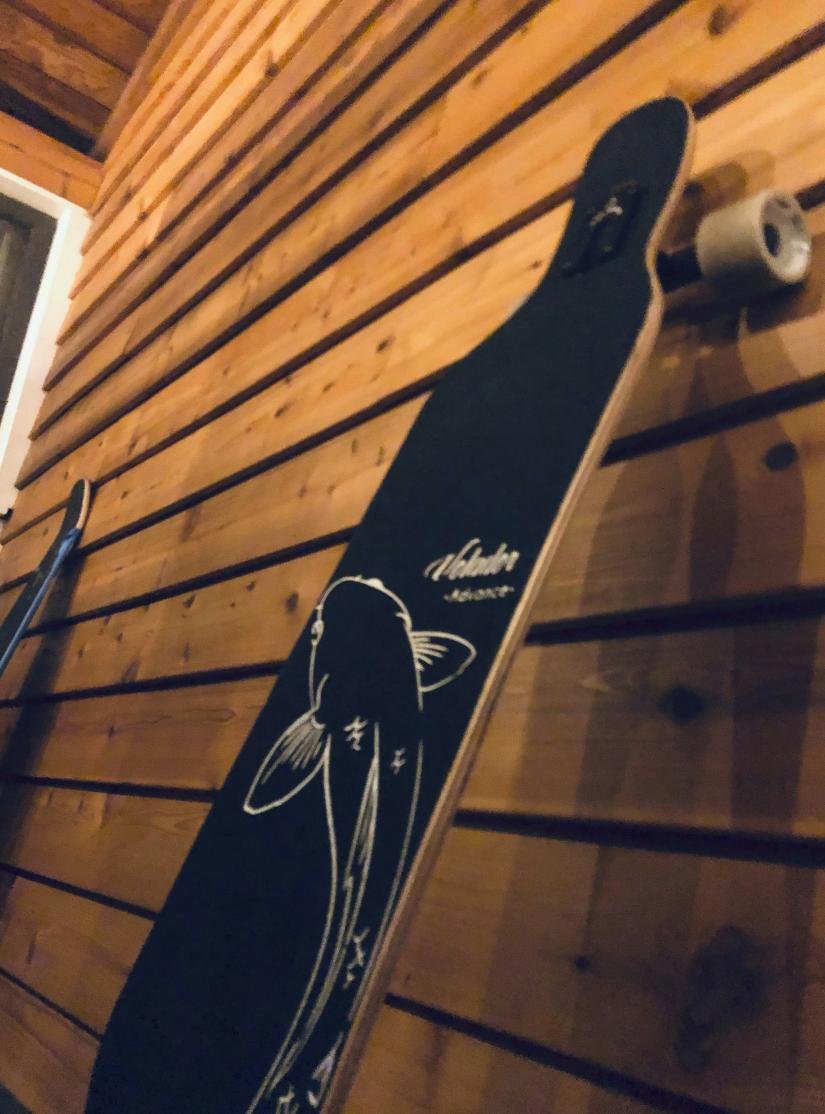
When it comes to selecting the best longboard skateboard, one of the most crucial factors to consider is the deck size and shape. The right deck can significantly influence your riding experience, affecting everything from stability to maneuverability. Typically, longboards come in a variety of sizes, which generally range from 28 to 46 inches in length. The ideal size depends on your riding style, body weight, and height.
Riders who favor stability and control, especially during downhill rides or cruising, may benefit from opting for a wider deck. A larger surface area promotes better balance, making it easier for heavier riders to manage their weight. Conversely, lighter riders or those interested in tricks and maneuvering may prefer narrower decks because they offer increased agility and ease in turning.
In addition to size, the shape of the longboard deck plays a significant role in performance. Common shapes include the pintail, drop-through, and square tail. The pintail shape, with its pointed ends, is particularly suited for cruising and carving. It provides a smooth ride but may compromise on stability at high speeds. On the other hand, a drop-through deck features cut-out truck pockets, allowing for a lower center of gravity. This design enhances stability and is often favored by downhill riders. Lastly, the square tail design allows for sharper turns and tricks, making it a suitable choice for riders looking to perform more technical maneuvers.
Ultimately, choosing the right deck size and shape involves considering how you plan to ride. Take into account your own dimensions and riding preferences to ensure a comfortable and enjoyable experience on your longboard skateboard.
Understanding Wheel Characteristics
When selecting a longboard skateboard, understanding wheel characteristics is essential, as wheels significantly influence ride quality, grip, and speed. The main attributes to consider include wheel size, hardness, and material, each contributing to the overall performance of a longboard.
Wheel size, typically measured in millimeters, can vary widely, usually ranging from 50 to 75 mm. Larger wheels provide a smoother ride over rough terrains due to their increased surface area, making them ideal for cruising and downhill riding. Conversely, smaller wheels excel in technical tricks and provide more maneuverability, appealing to riders who prioritize agility. Thus, for those who ride primarily on rough surfaces, opting for larger wheels is advisable, while those engaging in tricks may prefer a smaller diameter.
The hardness of wheels is measured on a durometer scale, where a higher number indicates a harder wheel. Softer wheels (usually in the range of 78A to 87A) offer enhanced grip and absorb shocks efficiently, making them suitable for uneven surfaces and long-distance rides. Harder wheels (88A and above), on the other hand, provide less grip but offer increased speed and slide capability, particularly advantageous for skateparks and smooth roads.
Furthermore, the material of the wheels also plays a pivotal role in the ride experience. Most longboard wheels are made from urethane, valued for its durability and grip. Alternative materials, while available, may not offer the same balance of performance features. It is crucial to match wheel characteristics to individual riding styles and preferred terrains; for example, softer and larger wheels work better for cruising, while harder and smaller wheels are optimal for speed and tricks. Assessing these factors will enable riders to select the best wheels tailored to their longboarding needs.
Selecting the Right Trucks
The selection of trucks is a critical aspect of choosing the best longboard skateboard. Longboard trucks play a significant role in the performance, stability, and maneuverability of the board. When selecting trucks, one must consider various factors, including width, height, and materials. Each of these elements influences the overall riding experience.
Width is an essential criterion for selecting longboard trucks, as it directly impacts stability and turning radius. Generally, the width of the trucks should be approximately equal to the width of the longboard deck. Using trucks with a width that matches the deck size can enhance the board’s stability, making it easier to ride at higher speeds. Conversely, narrower trucks can facilitate quicker turns and more agile handling. Therefore, skaters must assess their riding style and preferences when choosing between varying widths.
Height is another important factor in the selection process. Trucks come in standard, low, and high options, each suited for different styles of riding. Low trucks offer better stability and lower center of gravity, making them ideal for downhill riding and cruising. In contrast, high trucks provide increased ground clearance, which is beneficial for sliding and tricks. The height of the trucks should also be compatible with the chosen wheels to ensure smooth rides and avoid potential wheel bite.
Material quality is pivotal as well; most trucks are made from aluminum or steel. Aluminum trucks are lightweight and offer a good balance between strength and cost, while steel trucks tend to be heavier but more durable. Choosing the right material can affect the longboard’s performance based on its intended use.
Lastly, ensuring compatibility between the chosen trucks, deck, and wheels is essential for optimal performance. This compatibility will enhance riding comfort and safety, allowing for the seamless experience that longboard riders seek.
Safety Gear and Accessories
When it comes to longboarding, safety should always be a top priority. Even experienced riders can encounter unexpected situations, making the right safety gear essential for a safe and enjoyable experience. The primary items to consider include helmets, knee pads, elbow pads, and gloves, each designed to protect different parts of the body while enhancing the rider’s comfort.
A quality helmet is arguably the most critical piece of equipment for any longboarder. It serves as a crucial safeguard against head injuries in the event of a fall. When choosing a helmet, look for one that meets safety certifications such as CPSC or ASTM. Brands like Bell and Giro offer excellent options that balance protection and comfort. Ensure that the helmet fits snugly without being too tight, as this will encourage regular use.
Knee pads and elbow pads are equally important in safeguarding against impact injuries, especially for beginners who may be prone to falls. These protective pads absorb shocks and provide an additional barrier between the skin and the ground. Brands like 187 Killer Pads and Triple Eight are well regarded for their durability and comfort. When selecting pads, it is advisable to choose those made from high-quality materials with adjustable straps for a secure fit.
Gloves, particularly those designed for longboarding, often come equipped with reinforced palm areas that protect the hands in case of a fall. Look for gloves that offer wrist support as well, as this can help prevent injuries. Popular choices include Slide gloves that come in various styles, providing options for both casual riders and more experienced skaters.
Your safety gear should not only fit well but also be comfortable to wear, as this encourages you to use it consistently. Taking the time to invest in the right safety gear and accessories will greatly enhance your longboarding experience while minimizing potential risks on your rides.
Budgeting for Your Longboard Setup
Setting a budget for purchasing a longboard skateboard is crucial for ensuring you make an informed decision while still enjoying your skateboarding experience. Longboards are available in various price ranges, and understanding these categories can help you determine how much to allocate for your setup. Typically, longboards are classified into three main price tiers: entry-level, mid-tier, and high-performance boards.
Entry-level longboards usually start at around $100 to $200. These boards are ideal for beginners who are just testing the waters of longboarding. While they may not come equipped with the latest technology or highest-quality materials, they serve their purpose well for those new to the sport. Investing in a decent entry-level board will allow you to learn basic techniques without risking a significant financial commitment.
Mid-tier boards range from $200 to $400, offering enhanced quality and features. These longboards are suitable for riders who have gained some experience and are looking to refine their skills. In this range, you can expect better materials, improved construction, and a variety of designs tailored to different riding styles. Investing in a mid-tier longboard often provides better durability and performance, making it a wise choice for those committed to longboarding.
High-performance longboards generally cost upwards of $400. These boards are designed for experienced riders seeking exceptional precision and speed. The components used in high-end boards typically include advanced materials, superior trucks, and specialized wheels that enhance stability and control. While the initial cost may be higher, the long-term benefits of investing in quality components become evident with increased performance and longevity.
Ultimately, it is essential to weigh your budget against your longboarding goals. Investing in a quality longboard setup can provide great value and enhance your overall experience. By understanding the price ranges and the importance of quality components, you can make a well-informed decision for your longboarding journey.
Maintenance Tips for Longevity
Proper maintenance of a longboard skateboard is essential for ensuring its longevity and optimal performance. Regular care not only prolongs the life of individual parts but also contributes to a smoother and safer riding experience. By incorporating a few simple maintenance practices, riders can keep their longboards in excellent condition.
First and foremost, routine cleaning is vital. After every ride, particularly if the longboard has been used on dusty or wet surfaces, it is important to wipe down the deck, trucks, and wheels. A damp cloth can be used to remove dirt and debris, which helps prevent deterioration of materials over time. Additionally, riders should periodically take the wheels off the skateboard and clean them thoroughly to eliminate any build-up of grime or the influence of dirt, which can hinder performance.
Another key aspect of longboard maintenance involves regular inspections. Riders should check for any signs of wear and tear, including cracks in the deck, loose hardware, or worn-out bushings. Early detection of these issues can prevent more severe damage and ensure safe riding. It is advisable to tighten any loose screws or bolts and replace damaged parts promptly to maintain stability and performance.
Minor repairs can also enhance the longevity of a longboard skateboard. Riders can quickly replace worn-out grip tape or reroute loose cables if applicable. Furthermore, keeping an eye on wheel bearings is crucial; they should be cleaned and lubricated regularly to ensure they spin freely. By investing time in these maintenance practices, skateboarders not only enjoy a better riding experience but also preserve the integrity and functionality of their longboards for years to come.