





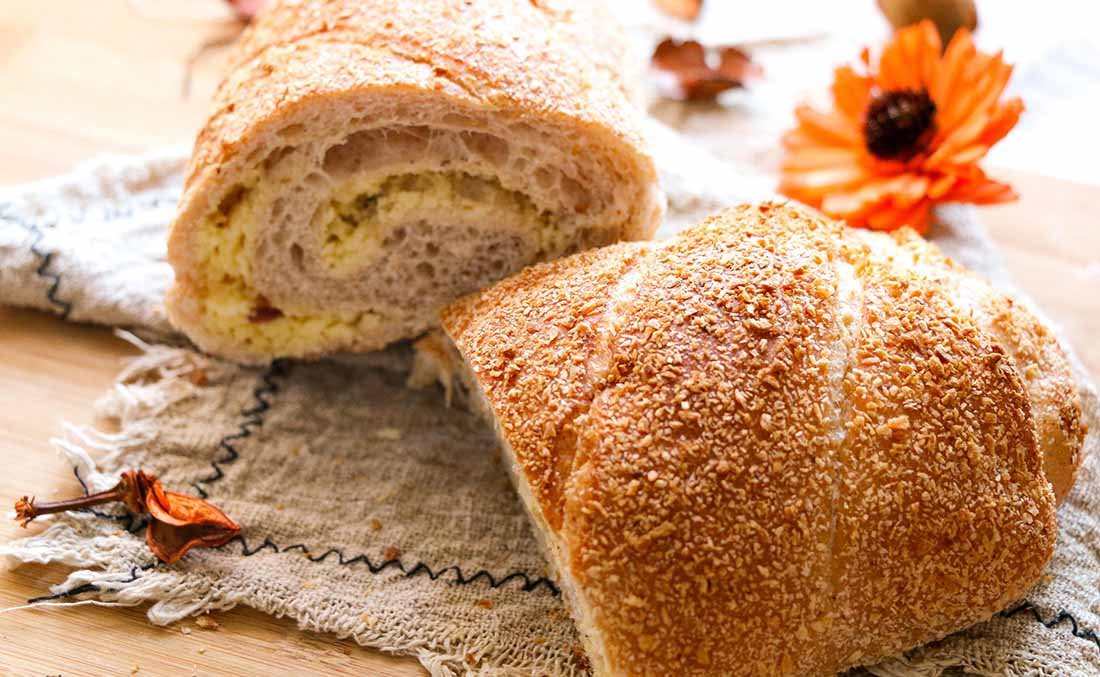
A bread machine earns its counter space by removing the guesswork from baking: no watching a timer, no second-guessing when a loaf is done, and the same result on a busy weekday morning as on a free Sunday. The two designs we looked at in detail take different approaches to that promise, and the better one is decided by the size of the household and how much attention you actually want to give the process.
Both machines we reviewed covered the full cycle from mixing to baking to a finished loaf, and both handled a standard recipe well without any intervention. The differences show up in the pan size, the shape of the loaf that comes out, and how much the machine demands of you at the start of each bake, which is where most disappointments with home bread machines actually begin.
At A Glance
- Best for a single household: the compact panificadora that keeps the counter clear.
- Best for larger loaves: the full-cycle machine with the larger baking pan.
- Both: complete unattended cycles from mixing to a finished loaf.
- What we checked: cycle control, pan shape, how hands-on the first bake is, and cleaning afterwards.
- What matters most: matching the pan size to how much bread you actually eat.
How We Chose
- Unattended cycles: a machine should mix, prove, and bake without you watching it.
- Pan size: the loaf size should match how much bread the household eats in a week.
- Control: clear cycle selection and timing matter more than many extra programmes.
- Cleaning: removable parts and a non-stick pan decide how often you will use it.
1. The Casual Home Baker’s Panificadora
This is the machine for someone who wants fresh bread twice a week rather than a baking project on weekends. The pan is on the smaller side, which produces a loaf that a family of two will finish in a couple of days instead of turning stale, and the control panel is limited to the cycles that matter: basic, wholemeal, and a short rapid bake for the mornings when there is no time to wait. The first bake needs a little attention while the machine settles into your kitchen, and after that it is close to hands-off.

| Loaf size | Compact, suited to smaller households |
| Cycles | Basic, wholemeal, rapid bake |
| Control | Simple, few programmes |
| Best for | Bread twice a week, small households |
The compact panificadora is also the quicker of the two from a cleaning point of view, because the smaller pan has less crust and residue around the paddle and can be soaked and washed quickly once the machine has cooled. That matters more than it sounds: the reason most bread machines end up on a high shelf after a few months is not that they failed, but that cleaning them became a chore. A machine you can rinse out in two minutes is a machine you will keep using.
Pros
- Compact footprint keeps counter space free.
- Simple controls are genuinely usable without a manual.
- Rapid cycle covers the weekday-morning gap.
Cons
- Smaller pan means fewer slices per bake.
- Limited programme range for ambitious recipes.
For light weekly bread use, this machine is the sensible choice.
2. The Full-Cycle Panificadora
The larger machine is the one that changes how a household eats bread. A bigger pan means a proper loaf that lasts to the weekend, and the wider cycle selection covers dough that needs longer proving, richer mixes that need a slower bake, and programmes for things that are not bread at all. The trade-off is a bigger footprint and a longer cycle, and the cleaning is a little more involved because the larger pan holds more residue around the paddle.

| Loaf size | Large, suitable for a full family |
| Cycles | Wide range including long bakes |
| Control | Programme selection with timing |
| Best for | Households that bake weekly or more |
The larger machine earns its counter space in a household where bread is eaten several times a day, because one loaf from a big pan covers the family from breakfast on Saturday to the end of the week without going stale. That is the argument that matters, and it is a volume argument rather than a quality one: the texture and the bake programme are very close between the two, and what changes is how much you get out of a single cycle and how long it stays fresh on the counter before it is used up.
Pros
- Larger pan produces a loaf that lasts several days.
- Wider programme range handles richer recipes.
- Timing options let you bake around your schedule.
Cons
- Takes more counter space than a compact model.
- The pan needs a longer soak before washing.
If you bake for a family, the bigger pan is worth the extra space.
There is also a version of this choice that has nothing to do with the machine at all. If your household eats a lot of bread but in small amounts, a machine will not fix the waste, and the honest answer is to buy fewer loaves rather than to bake more of them faster. The machines that earn their place are the ones where the household genuinely runs out of bought bread before the end of the week, and where a bake fits around a working morning rather than requiring a free afternoon.
Timing is the other half of the decision and the half that is easier to get wrong. A machine with a long, slow cycle produces a better loaf but assumes you are around for most of it, while a fast cycle is the one that fits an early start and a school run. Whichever you pick, the first three bakes are a learning period rather than a judgement of the machine, and most people who give up on bread making do it during that window rather than after the recipe has settled.
Buying Checklist
- Measure your counter: leave room above the lid for the paddle and the vent.
- Estimate weekly consumption: a large pan only helps if the loaf gets used.
- Count the cycles: basic, wholemeal and a rapid option cover most homes.
- Check the paddle: a removable paddle and pan make cleaning manageable.
- Check the paddle is removable: it is the part that collects dough.
- Look for a viewing window: you can watch the rise without opening the lid.
- Confirm the wattage: a weak machine produces pale, dense loaves.
Two details deserve a mention before you decide, and both are easy to check in a shop. The first is the paddle: a removable paddle and a removable pan make cleaning manageable, and a fixed paddle means scraping crust out of a corner with a spoon. The second is the viewing window, which lets you watch the rise without opening the lid and letting the heat out. Neither is the headline feature of a bread machine, and both make the difference between a machine you use for years and one you use twice.
Conclusion
If a bread machine is going to earn its space, it has to remove decisions rather than add them. The compact panificadora does that with the fewest controls and the shortest cycles, and for a household of one or two it is the easier machine to live with. You get a good loaf, a small footprint, and a routine that fits around a working week rather than competing with it.
The larger machine is the better buy when more of the household eats bread, because the size of the loaf decides whether the effort is worthwhile at all. Pair the pan size to your consumption rather than to your ambition, and read our wider best bread machine notes before you commit to a model.
Match the loaf size to how much bread you eat, not to how much you wish you ate. More of our product reviews are collected in the blog section.
FAQ
Are bread machines worth it for a beginner?
They are, because the machine controls temperature and timing that a beginner finds hard to judge. The main adjustment is getting the ingredient quantities right, and almost every machine includes a measuring cup for that reason. After a couple of bakes the routine becomes automatic.
Can I bake more than bread in a bread machine?
Most machines include programmes for cakes, jams and dough, and the longer cycles handle enriched mixtures that a conventional oven can dry out. The results are good for simple cakes and less predictable for recipes that need a real oven preheat.
How do I keep the machine clean?
Remove the pan and paddle after each bake, wipe the pan while it is still warm, and let the baking chamber dry with the lid open. Flours and sugar residue smell strongly if they are left to sit, which is the most common reason people stop using a machine they otherwise like.
How long does a full bread cycle take?
Most standard cycles run between three and four hours, with rapid programmes finishing in about an hour and long or wholemeal cycles taking considerably longer. Plan the timing so the machine finishes while you are at home, since most models keep warm for a limited period.
